
Think you can squeeze in a few extra kilometres over the speed limit without consequences? We’d strongly advise against it. Dubai’s roads are among the smartest in the world, with fixed radars, mobile cameras and even systems that measure your speed over long distances. If you’re a seasoned motorist or driving in the city for the first time, understanding how the rules work could save you from hefty fines, black points and even vehicle impoundment. So, here are the radar rules every driver should know before hitting the road.
Summers Can Be Harsh On Your Cars. This Is How UAE Heat Is Draining Your Fuel & Damaging Tyres
1. Know The Difference Between Speed Limits And Radar Limits
Every road in Dubai has two speeds that motorists should be aware of. The first is the official speed limit displayed on roadside signs. The second is the radar control limit, which is the speed at which cameras begin recording violations.
The gap between the two is commonly known as the grace margin, which can vary from around 20km/h to 30km/h depending on the road. However, motorists should remember that exceeding the posted speed limit remains a traffic offence, regardless of whether a camera is triggered.
2. Never Treat The Buffer As Free Extra Speed
Many drivers assume they can safely drive 20km/h over the limit, but that’s a risky mindset. While many roads have a tolerance margin before cameras activate, it is not guaranteed everywhere and can differ by location.
3. Different Roads Have Different Speed Limits
Speed limits vary depending on where you’re driving. Common limits include:
- Residential and urban roads: 40km/h to 60km/h
- Main roads and arterial routes: 80km/h to 100km/h
- Sheikh Zayed Road (E11): 100km/h to 120km/h
- Emirates Road (E611): 120km/h
- School zones during drop-off and pick-up hours: 40km/h
4. Fixed Radar Cameras Watch More Than Just Speed
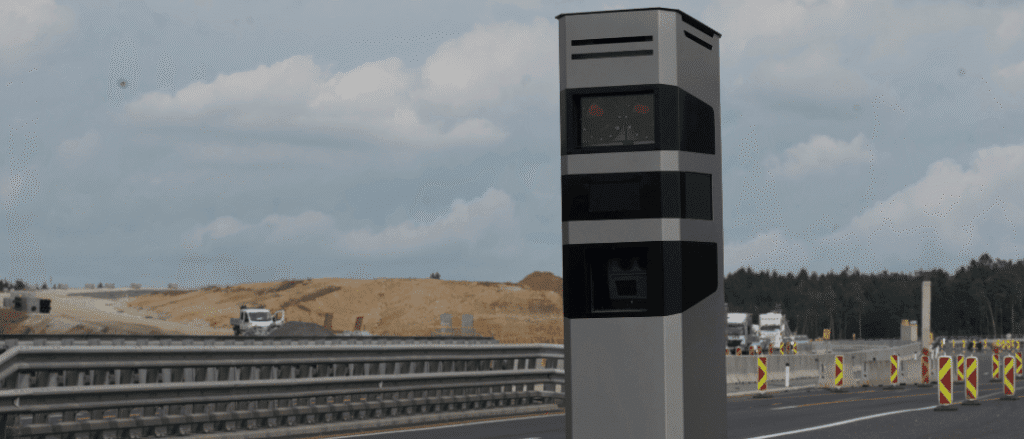
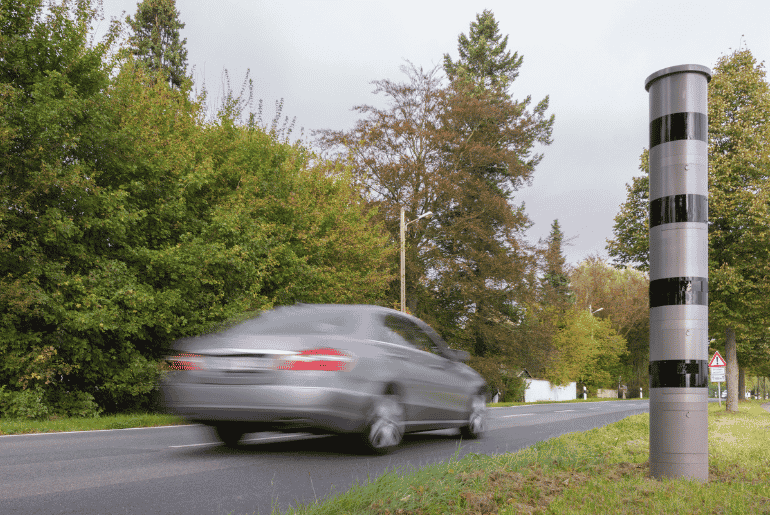
The familiar cameras mounted above roads and on roadside poles don’t just measure speed. Fixed radar systems also capture vehicle registration details, allowing fines to be automatically linked to the registered owner.
5. Mobile Radars Pop Up Almost Anywhere
Not all cameras stay in one place. Dubai Police also use mobile radar units, often installed in unmarked vehicles. These can appear on highways, near schools and in areas with a history of accidents. These cameras are difficult to predict, so sticking to the speed limit is the best way to avoid a surprise fine.
6. Slowing Down Near One Camera Doesn’t Always Work
Some roads use average speed monitoring systems rather than single-point cameras. These systems calculate your average speed between two checkpoints. That means slowing down when approaching one camera won’t necessarily help if you’ve been speeding throughout the journey. Drivers using Emirates Road should be particularly aware of this technology.
7. Speeding Fines Can Quickly Become Expensive
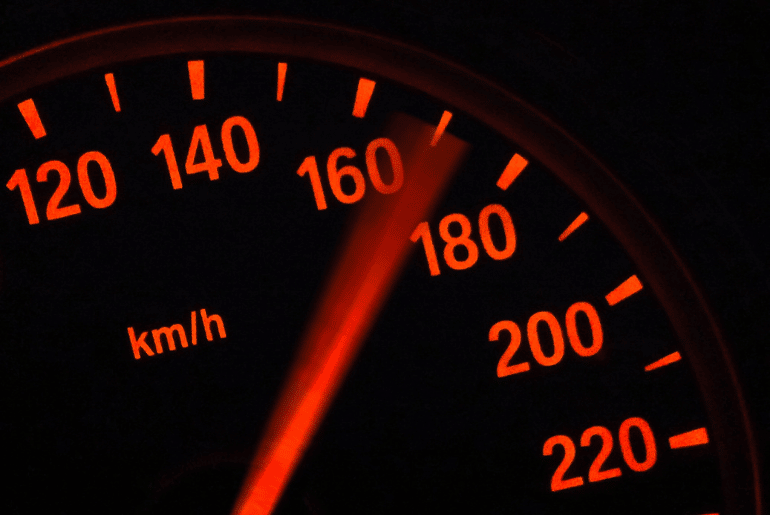
The more you exceed the limit, the more severe the penalties become. Fines can be paid online through Dubai Police platforms. Here are the current speeding fines:
- Exceeding the speed limit by up to 20km/h: AED300
- Exceeding the speed limit by up to 30km/h: AED600
- Exceeding the speed limit by up to 40km/h: AED700
- Exceeding the speed limit by up to 60km/h: AED1,500, plus six black points and 15-day vehicle impoundment
- Exceeding the speed limit by more than 60km/h: AED2,000, plus 12 black points and 30-day vehicle impoundment
- Exceeding the speed limit by more than 80km/h: AED3,000, plus 23 black points and 60-day vehicle impoundment
8. Some Roads Are Famous For Heavy Radar Coverage
While camera locations can change, certain roads are known for constant monitoring. These include:
- Sheikh Zayed Road, which has multiple fixed cameras between interchanges
- Emirates Road, where average speed systems are used on some stretches
- Dubai – Abu Dhabi Highway, especially near the Emirate border
- Hessa Street and Al Wasl Road, where cameras are common around residential areas
Navigation apps like Waze can alert drivers to known camera locations, but they should never replace paying attention to road signs and speed limits.
Dubai’s road network may be fast and futuristic, but the smartest drivers know that staying within the limit is always worth it. A few extra kilometres per hour simply aren’t worth the fines, black points or impoundment headaches. Stay in the safe lane, and keep reading with Gulf Buzz for more handy UAE hacks & travel updates.
Not Long Before Rush Hour Traffic Eases. Here’s How These 6 UAE Road Projects Are Set To Ease Commuter Traffic