
For everyone thinking about travelling soon, you might want to read this first. Dubai has introduced a temporary restriction limiting all foreign airlines to just one round-trip flight per day. To its two airports, Dubai International (DXB) and Al Maktoum International (DWC), until 31 May. This move is already shaking up global flight schedules and forcing major airlines to rethink their peak-season summer operations. Here’s how this will affect travellers.
Working On Your Travel Plans? These 15 Major Airlines Issue Travel Advice For April Travellers
Foreign Flight Restrictions In Effect Until 31 May
The move comes amid ongoing regional airspace disruptions linked to broader geopolitical tensions affecting flight corridors. While the measure applies broadly, it has raised concerns among airlines with heavy schedules to Dubai. Especially as Dubai eases into the peak travel window from 21 April to 31 May. During this period, all foreign carriers are restricted to a maximum of one round-trip flight per day to Dubai’s two airports, significantly reducing normal operating capacity at one of the world’s busiest aviation hubs.
Emirates & Flydubai Continue Normal Operations
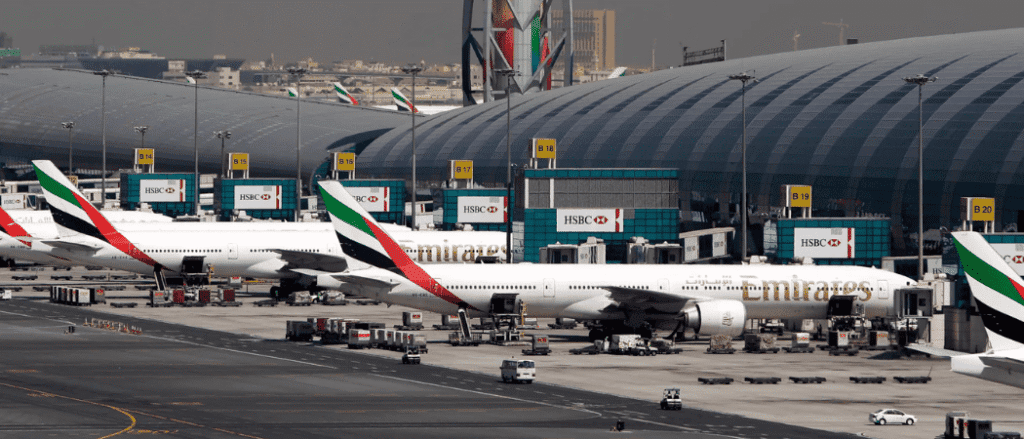
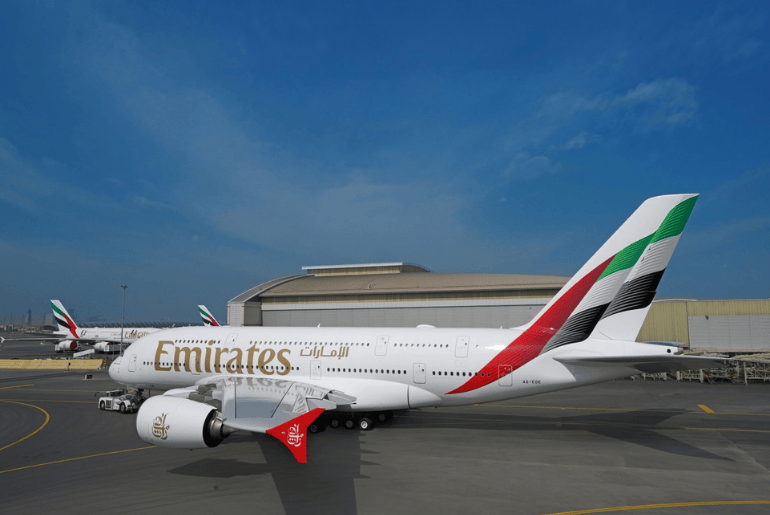
Dubai’s home carriers, including Emirates and flydubai, are not subject to the same flight restrictions. Emirates, one of the world’s largest international airlines, continues to operate a broad global network with reduced but steady schedules. In fact, recent data shows the airline running close to 400 daily flights and maintaining service to more than 100 destinations. Flydubai is also continuing operations as per approved schedules, reinforcing Dubai’s role as a key global aviation hub even during regional tensions.
Indian Carriers Face Major Disruption
Indian airlines are among the hardest hit by the sudden cap, as they had the largest planned flight volumes into Dubai this season.
- Air India and Air India Express had scheduled over 750 flights
- IndiGo planned around 481 flights
- SpiceJet had 61 flights lined up
Under the new limit, each airline is restricted to roughly 30-31 flights per month. This is a steep reduction that significantly affects capacity, revenue expectations, and aircraft utilisation. Aviation industry groups representing Indian carriers have raised concerns, warning that the restrictions create an uneven operating environment. As Dubai-based carriers continue to operate normally without similar limitations, these industry groups are questioning the foreign airlines’ strict caps and the competitive balance.

Industry Pushback
The sudden restrictions have prompted strong reactions from the Federation of Indian Airlines, which has urged intervention and policy review. If the situation remains unchanged, they are also considering reciprocal measures on UAE carriers operating into India. Many argue that the curbs disproportionately affect airlines already facing operational pressure from rising fuel costs and longer flight paths.
Impact On Travellers
The Dubai-India corridor is one of the busiest in global aviation, with nearly 12 million passengers travelling between India and Dubai annually. With foreign airline frequencies reduced, travellers are expected to face:
- Fewer flight options and reduced schedule flexibility
- Higher demand on remaining seats
- Potential fare increases during peak periods
- Limited connectivity from smaller Indian cities

Some international airlines outside the region have already reduced or suspended services to Dubai. Instead, they are now routing to long-haul Asia-Europe markets where demand remains strong. Dubai’s temporary flight restrictions have reshaped one of the world’s busiest aviation corridors almost overnight. And this will now tighten capacity just as demand peaks across India-UAE routes. So, what was once a highly competitive skyway is now a restricted network, and the ripple effects are only beginning to show. If you’d like more travel updates, don’t stop checking out Gulf Buzz!
Need To Figure Out Your Travel Plans With Your Furry Friend? Emirates Launches Pet Travel Support During Flight Disruptions