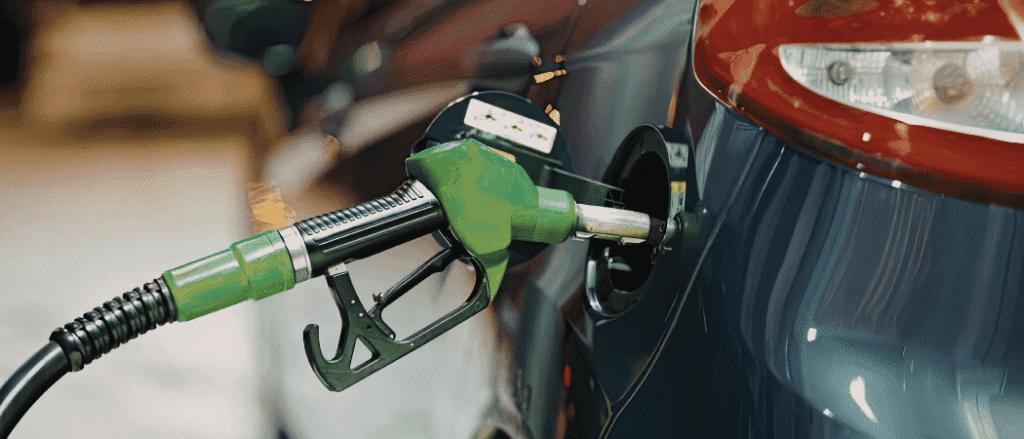

After four painful months of rising fuel costs, there’s finally some good news for drivers in the UAE. July could bring the price drop we’ve all been waiting for. Since the Middle East war broke out on February 28, UAE petrol prices have climbed by more than 60% across four consecutive monthly increases. June 2026 alone saw an 8% rise, pushing Super 98 to AED 3.95 a litre, Special 95 to AED 3.83 per litre, and E-Plus 91 to AED 3.76 per litre. Safe to say, it’s been a rough few months at the pump. But now the question on every residents’ mind is – “Are UAE Petrol Prices Finally About To Drop After 4 Months?” Keep reading for all the details you need to know.
If You Ask Any Dubai Resident, There’s Always Two Things On Our Mind, Rent & Petrol – That’s Why Dubai Just Launched A New Flexible Rent Initiative – ‘Flexi Rent‘
So Why Could July Finally Be Different?
The tide appears to be turning, and it comes down to global oil prices taking a serious tumble. More than $20 a barrel since the start of June. Brent crude, which was sitting at around $95 a barrel in the first week of the month, slid to under $74 a barrel by mid-June. The main drivers behind the drop? The US-Iran peace deal and growing expectations that Gulf oil supply will start flowing freely again as the Strait of Hormuz reopens.
Prices are expected to drop in July if geopolitical tensions don’t escalate again and oil stays on its current downward trend. The official announcement on new petrol prices will be made at the end of June.
There’s Another Big Factor In Play – The UAE Left OPEC
Here’s something that could have an even bigger long-term impact on your fuel bills. June’s price update was the UAE’s first since it exited OPEC and OPEC+ in May 2026. Ending a membership that stretched back over five decades. With oil demand shooting up, the UAE is now ready to step in with higher supplies. Experts estimate that once the Strait of Hormuz normalises, the UAE’s increased production could add around 2 million barrels per day to global supply, which would pull down pricing pressure. In short, the UAE leaving OPEC could mean more oil on the market and lower prices. Not just in July, but well into the future.
Don’t Expect An Overnight Drop Though
Before you get too excited, experts are urging a bit of patience. Chief executive of a Dubai energy consultancy, says that even with a peace deal in place, normalisation would still take several months. According to to the chief, refineries first need to start up again, while tanks need to get moving in and out of the Gulf. Because UAE fuel prices are based on monthly average oil prices rather than daily movements, changes in crude prices typically take time to filter through to consumers. So while July is looking hopeful, a return to the low prices we saw at the start of 2026 is likely still some way off, it will still take several months to see a major drop.
The Verdict At The Station?
All signs are pointing in the right direction for July. If oil prices remain on a downward trend and geopolitical tensions stay calm, a drop at the pump next month looks very likely. After four months of watching the numbers climb, July might finally bring UAE motorist some much needed relief at the petrol pump.