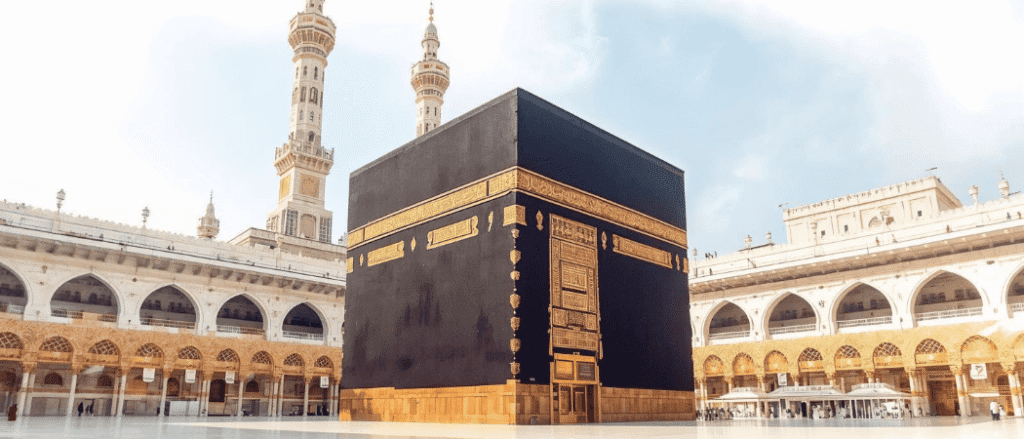

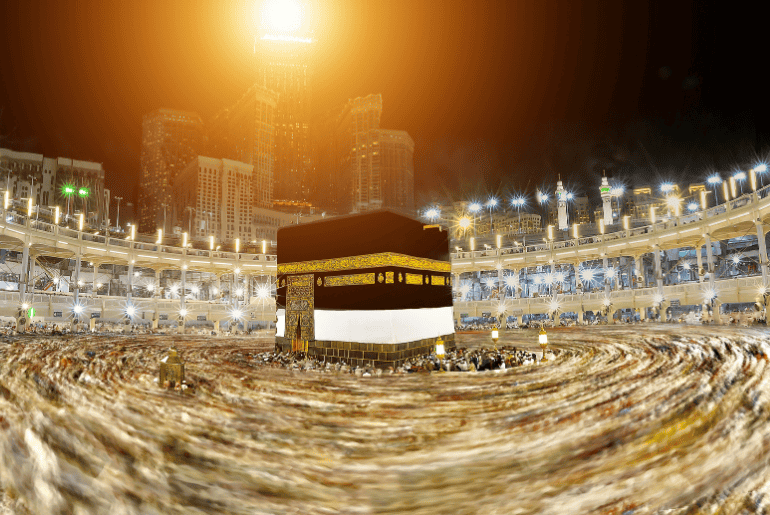
With Hajj 2026 just weeks away, millions of pilgrims are preparing for one of the world’s largest religious gatherings in Mecca. However, beyond flights and accommodation, health preparation is just as important. From mandatory vaccinations to essential medical precautions, there are several requirements every pilgrim must meet before travelling. Here’s everything you need to know.
Many Changes Are Coming Into Effect This Month! Here Are 4 Major Changes To Expect In Dubai This April
Mandatory Vaccines Before Hajj
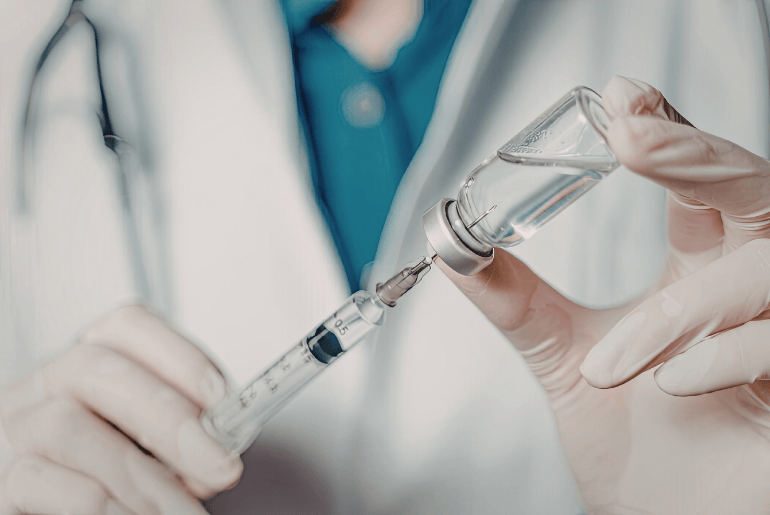
The most important requirement is the meningococcal (ACYW) vaccine, which protects against Neisseria meningitidis. Pilgrims must present a valid vaccination certificate confirming they’ve received this shot at least 10 days before arrival.
There are two accepted types:
- Polysaccharide vaccine (ACYW) – valid for up to three years
- Conjugate vaccine (ACYW) – valid for up to five years
Polio vaccination is also required for travellers arriving from countries where the virus is still present. Pilgrims must show proof of receiving either the oral polio vaccine (bOPV) or the inactivated polio vaccine (IPV), taken between four weeks and 12 months before travel. For those travelling from regions affected by yellow fever, a vaccination certificate is mandatory for anyone over nine months old. This becomes valid 10 days after the shot and remains valid for life.
When To Get Your Vaccinations
Timing matters! All required vaccines should be taken at least 10 days before departure to allow your body to build proper immunity. Make sure every vaccination is officially recorded in your International Vaccination Card, issued by an authorised health centre, as this will be checked during travel.
Recommended Vaccines For Extra Protection
Beyond the mandatory requirements, several additional vaccines are strongly advised to protect your health during the pilgrimage:
- Seasonal influenza vaccine: Recommended for all pilgrims and workers
- Pneumococcal vaccine: Especially important for those aged 65+ or individuals with chronic illnesses
- COVID-19 vaccine: Advised as part of general health precautions
- Staying up to date with routine vaccinations like measles, mumps, rubella, tetanus, and diphtheria is also highly encouraged.
Essential Health Prep Before You Travel
Preparing for Hajj isn’t just about vaccines, your overall health plan matters too.
- Consult your doctor early: Those with chronic or serious conditions should get medical clearance before travelling to ensure they are fit for the journey.
- Carry complete medical records: Bring documentation outlining your medical history, prescriptions, and any potential complications. This can be vital in emergencies.
- Pack enough medication: Carry your full course of medication in original packaging, along with a note of generic names in case replacements are needed.
- Adjust medication timing if required: Speak to your doctor about managing doses across time zones.
- Arrange medical insurance: Healthcare coverage is not automatically included, so it’s wise to secure comprehensive travel insurance before departure.
Special Advice For Elderly Pilgrims & Those With Medical Conditions
Hajj can be physically demanding, especially in crowded areas and during hot weather. In such situations, proper preparation can help ensure a safe and smooth pilgrimage experience. Extra precautions are essential for older adults as well as those with underlying health issues.
- Avoid overexertion and pace yourself
- Stay hydrated at all times
- Carry essential medical devices, along with spare batteries and supplies
- Plan ahead for mobility needs, including wheelchairs if required
While the pilgrimage season is spiritual, it is also physically demanding. So getting your health checklist sorted early is key to focusing on the journey. Stay prepared, protected, and for more updates like this, don’t forget to keep reading Gulf Buzz!
There’s A New, Inclusive Initiative In Dubai! The Dubai Metro Introduces Autism-Friendly Sensory Rooms At Two Stations