

Got a spare room and thinking about making a little extra rent from it? Or perhaps you’re considering moving in with a roommate to split those ever-rising Dubai housing costs? While these considerations make sense, before you start advertising that empty room, there are a few rules you’ll want to know about. Dubai allows apartment sharing, but informal subletting and overcrowded living arrangements can land you in trouble. So, keep reading for all the details you need to know before sharing or subletting your home.
Planning On Owning Your First Home? Here Are 6 Perks For First-Time Home Buyers In Dubai
Can A Tenant Sublet An Apartment In Dubai
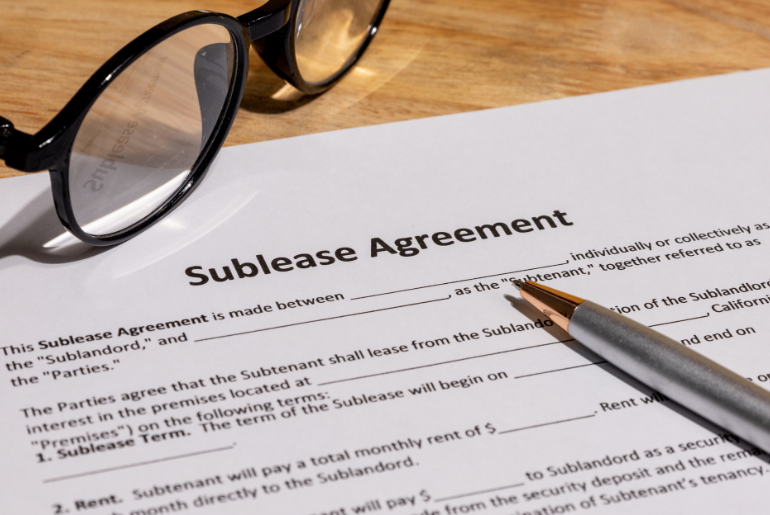
Not without permission. Dubai’s tenancy rules state that a tenant cannot sublease a property or allow someone else to use part of it. This applies unless the landlord has given written consent. The exception is when the original tenancy agreement already includes permission to sublet.
If you rent a one-bedroom apartment and decide to rent out the bedroom to another person for a monthly payment, that would generally be considered subletting. You cannot simply make the arrangement yourself and hope nobody notices. You’ll need your landlord’s written approval. Proceeding without the required permission could breach your tenancy agreement.
Sharing An Apartment With Roommates – Here’s What To Do
Yes, you can, but it depends on how the shared accommodation is arranged. Apartment sharing itself has not been banned in Dubai. However, the arrangement needs to comply with the Emirate’s rules on occupancy, permits, safety, and the authorised use of residential properties. Some arrangements can be legitimate, including:
- A tenant living in the property with their family members
- Approved occupants who have been registered through the appropriate channels
- Shared housing that operates legally and meets Dubai’s requirements
However, there are arrangements that can cross the line, including:
- Renting out individual beds or rooms informally
- Creating partitions without the required approvals
- Housing more people than the permitted occupancy limit
- Advertising unauthorised bed-space arrangements
Dubai’s Shared Housing Law – Everything To Know!
Dubai Law No. (4) of 2026 introduced a dedicated framework for regulating shared housing across the city. This helps establish shared accommodation under clearer rules. It covers everything from permits and occupancy to health and safety, as well as how to lease and advertise these properties. The law covers different parties involved in shared accommodation, including:
- Property owners offering homes for shared housing
- Licensed establishments operating shared accommodation
- Tenants living in properties that have been designated and approved for shared housing

Key Changes Under The New Law
There are several important changes for anyone sharing an accommodation.
Permits Are Mandatory: A Residential property cannot simply turn into shared housing whenever an owner or tenant decides to do so. Necessary approval or a permit is required before a property can legally be shared housing.
Informal subletting is restricted: Tenants cannot freely divide up an apartment and rent out individual rooms or beds. Shared accommodation has to operate according to the approved structures and conditions set out under the law.
Violations can result in hefty fines: Penalties vary depending on the violation and can range from hundreds of dirhams to AED 500,000, with tougher penalties possible for repeat offences.
How Does The Shared Housing Permit System Work?
A property intended for shared housing needs an official permit. These permits are issued by Dubai Municipality, in line with regulations established by the Dubai Land Department and other relevant authorities. Before a property can qualify, it needs to meet specific requirements. These include:
- Following recognised building standards
- Staying within the permitted occupancy limit
- Providing sufficient space for residents
- Having suitable facilities to share
Permits are generally valid for one year. Property owners can also apply for a two-year permit. Planning to continue operating the property as shared accommodation? Owners must submit permits at least 30 days before the existing permit expires.
Now, Who Can Lease Shared Housing In Dubai?
This is another important distinction under the new framework. A tenant cannot simply rent a property, move in and then start renting its rooms or beds to other people. Shared housing can only be leased through authorised arrangements. There are three recognised leasing structures:
- Direct leasing: The property owner leases the unit directly to residents.
- Managed leasing: A licensed establishment manages and leases the property on the owner’s behalf.
- Company subleasing: A company leases the property from the owner and then subleases it to residents.

All Safety Standards That Apply To Shared Housing
Shared accommodation also needs to meet a range of technical, health and safety requirements. These include standards relating to:
- Health and hygiene
- Fire safety
- Sanitation
- Security
- Electrical systems
The rules help ensure that shared properties are suitable for the number of people living in them and do not create unsafe or overcrowded conditions. And keep in mind that there are restrictions around how to advertise shared housing. This helps tackle informal listings for unauthorised bed spaces.
What Should Tenants Do Before Subletting Or Sharing?
If you’re a tenant considering bringing in a roommate or renting out part of your home, don’t rely on a casual agreement or a verbal ‘yes’ from your landlord. First things first, check your tenancy contract to see what it says about additional occupants and subletting. If you need approval from the landlord, get it in writing before making any arrangement. For properties that are part of formal shared housing, ensure the unit has the necessary permit. Make sure that the arrangement complies with occupancy, safety and leasing requirements.
For landlords, the responsibility is different but equally important. If you plan to offer a property as shared accommodation, ensure the property permits meet applicable standards before residents move in.
Dubai’s shared-housing rules don’t necessarily have to stop people from living together or finding more affordable ways to rent. They are about making sure shared accommodation is properly authorised, safe and not overcrowded. Before you put that spare room online or agree to a new roommate, check the rules first. For more useful Dubai updates and rental tips, keep reading Gulf Buzz.
Are You Renting A Property In Dubai? Here Are 6 Hidden Costs To Be Aware Of