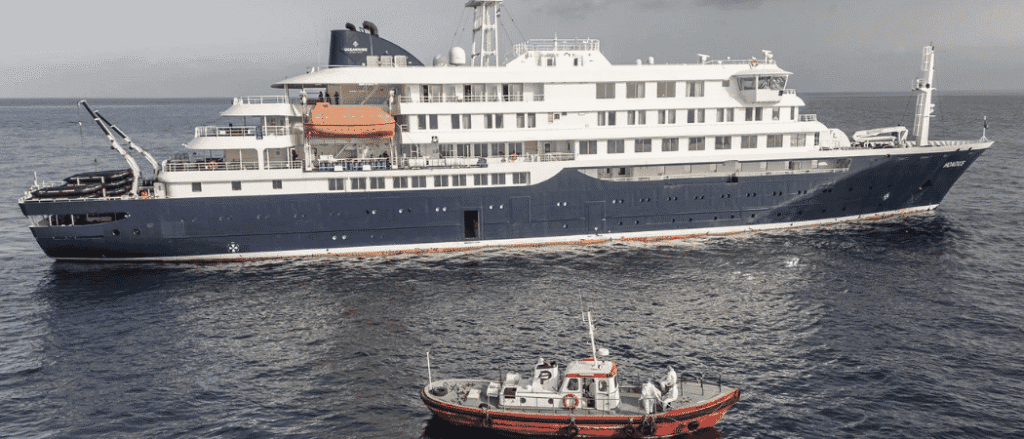

An Antarctic cruise turning into the centre of a rare virus outbreak was definitely not on anyone’s 2026 bingo card. (And we’re trying not to bring any 2020 flashbacks!) After multiple passengers aboard the MV Hondius fell seriously ill and three people died, concerns around hantavirus have suddenly surged online, especially for those who were planning cruises, nature trips, or remote getaways. With questions flying around about symptoms and prevention, here’s a clear breakdown of what hantavirus actually is, and what UAE travellers should know.
Some More Preventative Tips For Jetting Off. Dubai Warns Travellers Of Malaria Risk: Here Are 6 Prevention Tips
What Is Hantavirus?
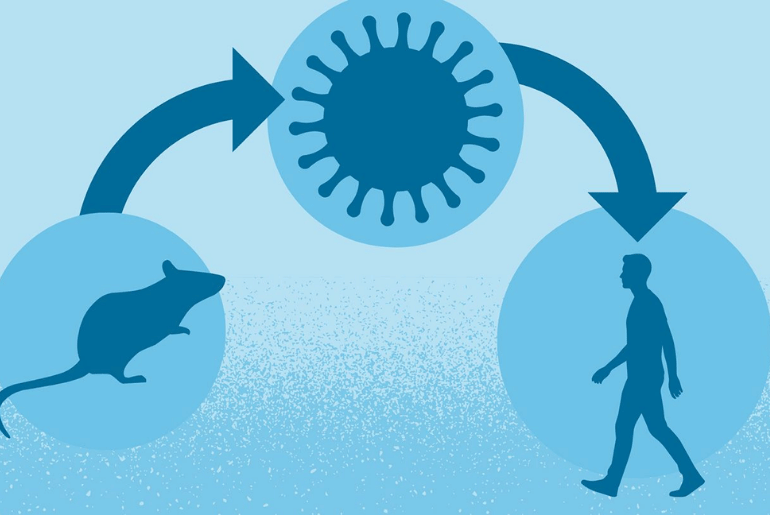
Hantaviruses belong to a family of viruses that can trigger severe respiratory illnesses, including Hantavirus Pulmonary Syndrome (HPS). The infection is usually linked to contact with infected rodents or exposure to their urine, saliva, or droppings.
What Happened On The Cruise Ship?
The MV Hondius departed from Ushuaia, Argentina, on April 1, 2026, bound for the Canary Islands, with stops near Antarctica and in remote Atlantic regions. Passengers reportedly began developing symptoms just days into the voyage. Symptoms include fever, diarrhoea, fatigue, and breathing difficulties.
By early May, the WHO confirmed multiple suspected and confirmed cases onboard, including three deaths and one critically ill passenger receiving treatment in South Africa. Health teams are now carrying out contact tracing after identifying the rare Andes strain of hantavirus, which has occasionally shown limited person-to-person transmission.
Why The Andes Strain Is Different
Most hantavirus infections spread through rodents and are not contagious between humans. However, the Andes strain, commonly found in parts of Argentina and Chile, is considered unusual. This is because limited human-to-human transmission has been documented in rare cases involving prolonged close contact. Senior health experts continue to stress that the chances of a large-scale outbreak remain low.
Symptoms Of The Virus
Early hantavirus symptoms can feel almost identical to those of the flu, making them difficult to detect immediately. Symptoms may appear anywhere between one and eight weeks after exposure. Common early symptoms include:
- Fever
- Fatigue
- Muscle pain, especially in the thighs and back
- Headaches
- Chills
- Nausea and vomiting
- Diarrhoea
As the illness progresses, symptoms can become much more serious. Patients may develop coughing, chest tightness, and severe breathing difficulties due to fluid buildup in the lungs. WHO has reported eight hantavirus cases linked to the outbreak so far, including three deaths.
How Does Hantavirus Spread
Most cases happen after people inhale tiny airborne particles contaminated by infected rodent droppings, saliva, or urine. Experts investigating the cruise ship outbreak believe exposure may have occurred through contaminated environments associated with wildlife or port areas during the Antarctic voyage. The virus is most commonly associated with:
- Rodent-infested areas
- Cabins or enclosed spaces left unused for long periods
- Rural environments
- Wildlife exposure during outdoor travel
Is The Hantavirus Dangerous?
Hantavirus can become life-threatening if severe respiratory complications develop. Some strains linked to HPS have fatality rates of up to 50% without rapid medical care. The drawback here is that there is currently no dedicated cure or vaccine for hantavirus. Treatment mainly focuses on supportive hospital care, including oxygen therapy, ventilation support, and intensive monitoring.
An antiviral medication known as ribavirin has shown some effectiveness against certain hantavirus-related kidney conditions. However, this does not apply to all respiratory strains.
How UAE Travellers Can Protect Themselves
The overall risk remains very low. But for travellers heading to remote destinations, cruises, nature reserves, or wildlife-heavy regions, they can still take precautions. Here are some practical prevention steps:
- Avoid contact with rodents or rodent-infested areas
- Do not sweep or vacuum rodent droppings directly
- Use disinfectants and wet-cleaning methods instead
- Wash hands regularly while travelling
- Wear masks in poorly ventilated or dusty areas
- Keep food sealed properly during outdoor trips
- Monitor symptoms for up to 45 days after possible exposure
Health experts also advise travellers to seek medical attention immediately if flu-like symptoms appear after visiting high-risk environments.
Should UAE Residents Be Worried?
The World Health Organisation continues to describe the risk to the wider public as low. Hantavirus infections remain extremely rare globally. And, more importantly, human-to-human transmission is considered uncommon outside of specific strains like the Andes strain. Still, the outbreak serves as a reminder that even remote travel destinations can pose unexpected health risks.
Whether you might be booking an Antarctic cruise or just doom-scrolling travel TikTok at 2 AM, it never hurts to know what’s happening globally before packing your bags. Stay informed, cautious, and keep checking Gulf Buzz for all the latest updates, travel alerts, and health explainers.
Since We’re Discussing Prevention Tips, Parents Need To Know That Failure To Vaccinate Children May Cost Parents AED 20,000