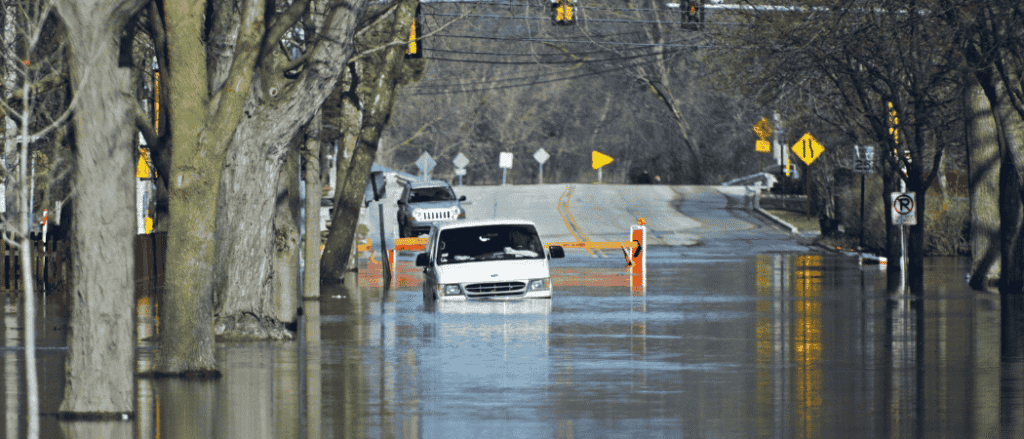

As expats who are used to the sunny, grimy heat, rainy drives can feel straight out of a movie. That is, until your car suddenly gives up mid-road. With water sneaking into sensitive components and visibility dropping fast, a breakdown in the rain can go from inconvenient to dangerous in seconds. Knowing exactly what to do in that moment can make all the difference between staying safe and making things worse – for your safety as well as your wallet. So here are some handy tips you should know when your car stalls in the rain.
Considering Driving During Heavy Rains? Here’s What You Need To Know About UAE Car Insurance & Rain Damage
Why Do Cars Break Down In The Rain
Modern cars may be advanced, but they’re not waterproof. Heavy rain can seep into key areas like the engine, battery, or electrical systems, triggering malfunctions. On top of that, wet roads reduce traction and visibility, making it harder to react quickly when something goes wrong.
Before You Drive: Rain-Ready Basics
If you know bad weather is coming, it’s best to avoid driving altogether. But if you must head out, make sure your car is prepared. This includes checking your tyres, brakes, wipers, and keeping an emergency kit handy. Prevention is always easier (and cheaper) than dealing with a breakdown mid-storm.
Step 1: Slow Down Safely
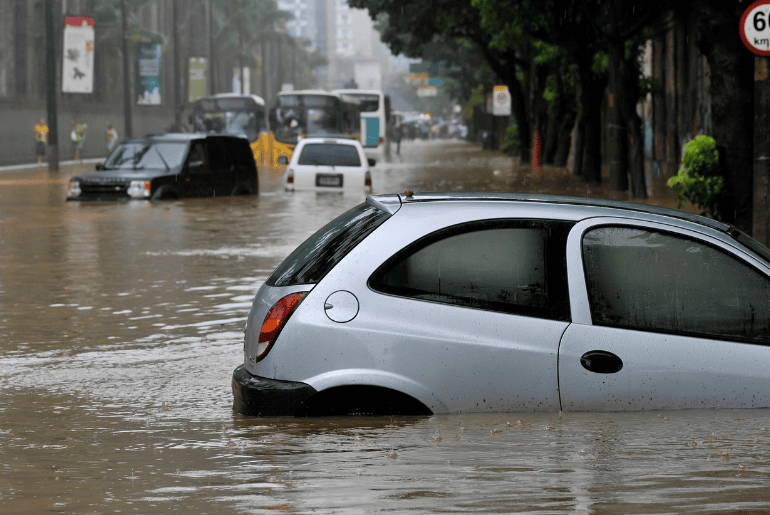
The moment you notice something off, like dimming lights or unresponsive brakes, ease off the accelerator. Wet roads are slippery, so avoid sudden braking. Gradually slowing down gives you better control and reduces the risk of skidding.
Step 2: Pull Over & Stay Visible
Once you’ve slowed down, carefully move your car to the side of the road. Use your mirrors (and driver-assist features if available) to check your surroundings. Turn on your hazard lights immediately so other drivers can spot you through the rain.
If your car loses power completely, place emergency reflectors behind your vehicle to alert oncoming traffic. Visibility is key in rainy conditions, and this step can help prevent accidents.
Step 3: Don’t Restart The Engine
It might be tempting, but resist the urge to restart your car. If water has entered the engine or electrical system, turning it on again could cause serious damage. Besides the damage, water mixing with engine oil or affecting the alternator can lead to costly repairs.
Step 4: Keep The Hood Closed
Opening the hood in the rain can expose delicate electrical parts to even more water. Modern vehicles rely heavily on electronics, and unnecessary exposure could worsen the issue. It’s best to leave everything as is until professional help arrives.
Step 5: Call For Help Immediately!
Trying to fix your car in the rain is not a good idea. Instead, contact roadside assistance and wait in a safe spot. If water levels rise or the area begins to flood, prioritise your safety, leave the vehicle and move to higher ground if needed.
Car Trouble In The Rain? Here’s Are Some Things You Need to Know
What should you do if your car stalls in the rain and the electrical system fails?
Electrical failures are common during heavy rain. The safest approach is to pull over, stay visible, and call for roadside assistance to tow your car to a garage. If you have the right equipment, you may also try a jump-start. However, attempt this only if you know how and if it’s safe to do so.
Why does your car stop working in the rain?
Cars often stall during rain because water can seep into critical components like the battery, alternator, or engine, causing electrical systems to fail.
Why is it hard to start your car after it rains?
Rainwater under the hood can damage sensitive electrical components, especially the battery and alternator. This makes ignition difficult until the moisture is cleared.
When rain hits, your best move is to stay calm, stay visible, and avoid making the situation worse. A stalled car is stressful, but handling it the right way can save you time, money, and a whole lot of trouble. And for more tips like this, don’t forget to keep reading Gulf Buzz.
Did Your GPS Just Stop Working While Driving? Here’s Why Your GPS Is Glitching & 4 Alternative Maps To Use