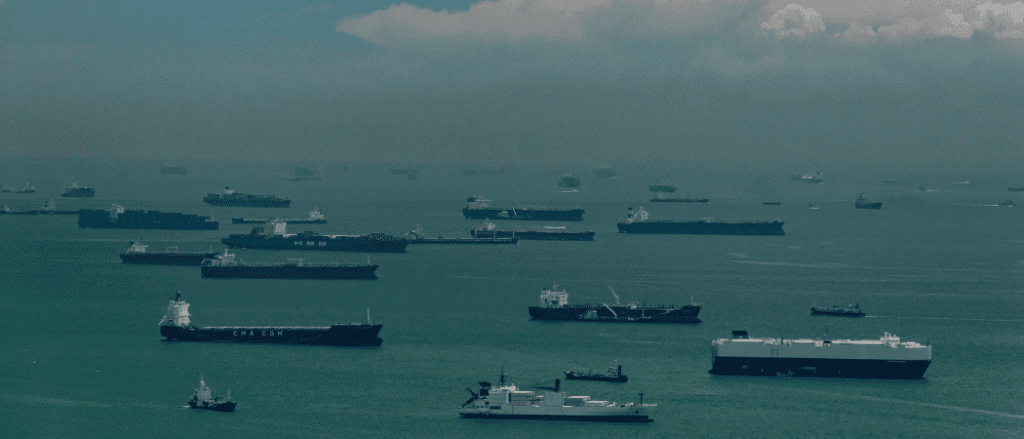

Iran has announced a new control system called the “Strait Authority” that will manage ships passing through the Strait of Hormuz. Under this system, vessels will need to obtain a transit permit to use the waterway. Sailors will be contacted by email, informed of Iran’s transit regulations, and expected to comply before receiving clearance to pass. Iran is framing this as a fresh approach to managing the strait, something its leadership has been signalling for the past few days. Here are all the important details you need to know and how it affects everyday people like us in the UAE.
After UAE Made History’s Biggest Move In The Oil & Energy Industry, Left Everyone Wondering Will Gas Prices Decrease In June Since UAE Has Officially Left OPEC & OPEC+?
20% Of Global Gas Supply Down The Strait
The Strait of Hormuz is one of the world’s most important shipping routes. Around 20% of global oil supply passes through it. Control over the strait has been one of the key unresolved issues in ongoing US-Iran peace talks. Iran has already faced widespread criticism from Gulf countries and the UN’s maritime agency for disrupting shipping there, and the US responded by imposing a blockade on Iranian ports.
What Happened On May 4th?
Earlier this week, on Monday, May 4th, Iranian forces attacked shipping in the strait and launched missiles and drones toward the UAE. Most were intercepted by air defence systems, but a drone strike sparked a fire at an oil site in Fujairah, injuring three people. It was the most serious escalation since the US-Iran ceasefire came into effect about 26 days prior. International condemnation followed quickly, with Bahrain, Saudi Arabia, France, the UK, Canada, Egypt, and Jordan among those backing the UAE. India also called the attacks unacceptable and urged an immediate halt to strikes on civilian infrastructure.
What This Means for Everyday People Like Us
The disruption to the Strait of Hormuz has already had a visible impact on daily life around the world, and the region in particular. Oil prices surged 10–13% to around $80–82 per barrel shortly after the crisis escalated in late February, with analysts warning prices could hit $110 per barrel if disruptions continued. That means higher costs across the board, from fuel at the pump to everyday goods that rely on shipping. Before the crisis, around 3,000 vessels passed through the Strait of Hormuz every month. In April, that number fell to just 191, roughly 5% of the pre-war average. Which has lead to shortages of refined products, especially across Asia.
For the UAE specifically, the situation is particularly significant. Saudi Arabia and the UAE typically handle far higher shipping traffic than Iranian ports, meaning any prolonged disruption to normal transit routes through the strait directly affects trade in and out of Gulf hubs. The new Strait Authority and its permit system add another layer of uncertainty for vessels that need to pass through. And for the businesses and residents who depend on the goods they carry.
Iran’s latest moves appear to be about leverage. By asserting control over the Strait of Hormuz, Tehran is using the waterway as a pressure point in its standoff with the West. For which we’re all feeling the ripple effect of their actions.