

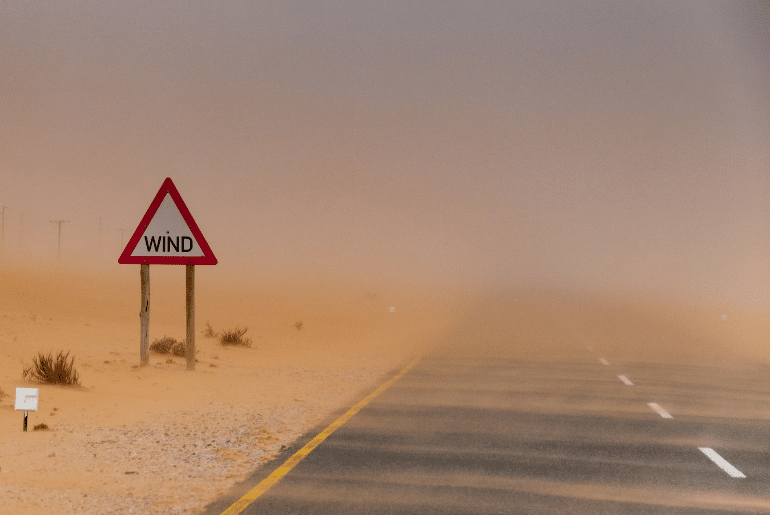
A little dust on your car is one thing. Driving through a full-blown sandstorm, now that’s a whole other thing. With parts of the UAE experiencing rain, blowing dust and reduced visibility, driving conditions can change in a matter of minutes. Strong winds can make it difficult to see the road ahead, while sudden gusts may leave drivers with very little time to react. So if you’re heading out, it’s worth taking a few extra precautions before you get behind the wheel.
So You Have No Idea Who Hit Your Car? Here’s What To Do Next
1. Make Sure You Check Your Headlights Before Driving
Before you even turn the engine on, take a moment to check that all your headlights are working properly. The RTA advises motorists to ensure their lights are fully functional before driving in dusty conditions. This is because it helps other road users spot your vehicle when visibility drops. Even if the road looks clear at first, conditions can worsen quickly. This is why keeping your headlights on and reducing your speed, especially when changing lanes, can make a big difference to your and others’ safety.
2. Slow Down & Leave Plenty Of Space
When dust starts swirling across the road, visibility can disappear almost instantly. Dust kicked up by other vehicles may hide sharp bends, dips in the road or even cars directly ahead of you. In this case, the safest approach is to ease off the accelerator and leave a larger-than-normal gap between you and the vehicle in front. It’s also important to avoid sudden braking. Driving at a slower, controlled speed also gives you more time to react if an obstacle appears unexpectedly.
3. Stay Focused & Keep Your Phone Away
It might be tempting to snap a quick video of the dramatic weather. But understand that the sandstorm situation is definitely not the time. During low-visibility conditions, your full attention needs to be on the road. Authorities have repeatedly reminded motorists and fined them for driving while distracted, especially during challenging weather. Put your phone away until you reach your destination, stay alert and keep both hands on the wheel!
4. Avoid Using Hazard Lights While Driving
Many drivers automatically switch on their hazard lights during bad weather, but that’s actually not recommended while you’re still moving. Instead, keep your regular headlights and tail lights on so other drivers can clearly judge your position and movements. Hazard lights can confuse surrounding motorists because they make it harder to tell when you’re changing lanes or turning. Slow down, stay in your lane and let your standard lights do the work.
5. Don’t Forget To Keep The Windows Closed
As obvious as it sounds, keeping your windows shut during a sandstorm is more important than many drivers realise. Closing the windows and running the air conditioning help prevent dust and sand from entering the cabin. This helps reduce eye irritation and makes it easier to breathe. Your vehicle’s cabin filter also helps keep the air cleaner, allowing you to stay comfortable and focused on the road.
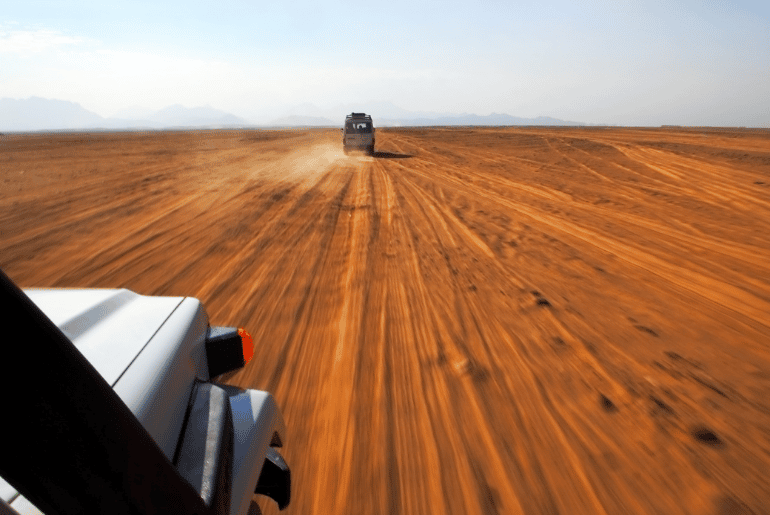
If the weather takes a turn while you’re out, don’t panic. Remember to reduce your speed, stay calm and avoid making sudden movements behind the wheel. While it’s easier said than done, with just some patience, you can still drive a long way until conditions improve. And for more useful UAE updates and guides, keep following Gulf Buzz.
Soon, You Don’t Have To Drive Around! Here’s How RTA’s New Plan Makes Car-Free Commute Easier Across Dubai