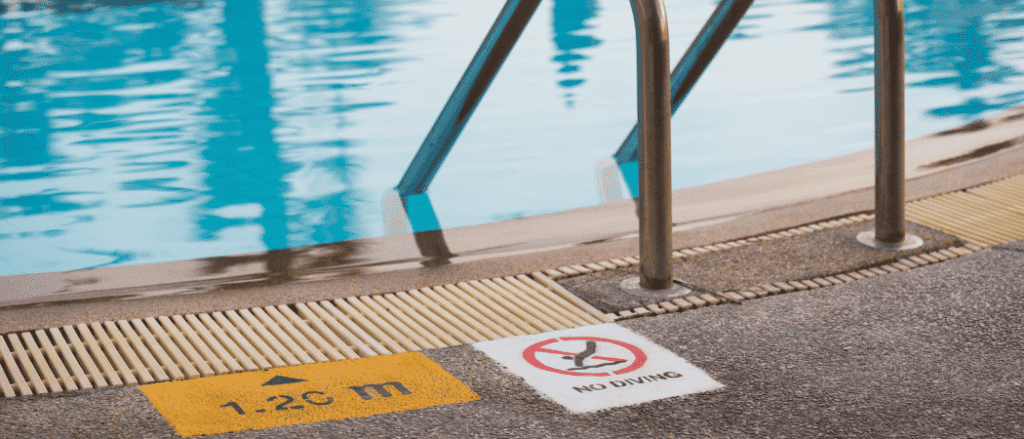

Summer in the UAE means plenty of time spent cooling off at pools, beaches and water parks. While water activities are one of the season’s biggest highlights, they’re also when parents need to be most vigilant. Experts say many families still believe common myths about water safety, from relying on floaties to assuming lifeguards are watching every child. The good news? A few simple habits can dramatically reduce the risks. Here’s everything parents should know before the next family swim.
For The Perfect Pool Day, Cool Down With These 10 Redeemable Summer Pool Day Deals In Dubai!
Swimming Lessons Aren’t Enough
Many parents assume that once a child learns to swim, they’re safe in the water. Experts say that’s one of the biggest misconceptions. Swimming is an important life skill, but water safety goes much further. In fact, children need to understand how to stay calm, recognise danger, float if they become tired and know how to reach safety if they unexpectedly fall into the water. Parents should also avoid treating inflatable armbands, swim rings and pool floats as safety equipment. Experts stress that these toys are designed for play and should never replace close adult supervision.
Drowning Is Often Silent
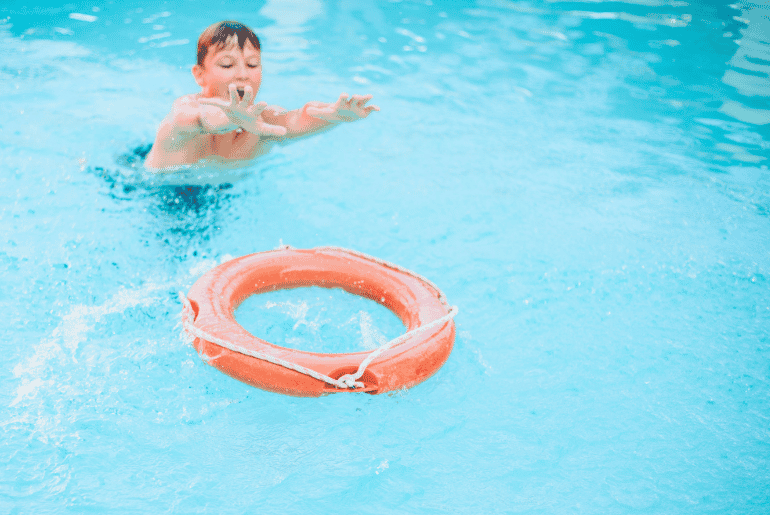
Forget what you’ve seen in films. Experts warn that drowning is usually quick and quiet! Someone struggling in the water is often focused entirely on breathing, meaning they may not shout, splash or wave for help.
Parents should watch for children who suddenly appear still, struggle to stay above the surface or seem unable to move towards safety. Drowning doesn’t only happen in deep water. Even shallow pools, bathtubs and paddling pools can become dangerous if a child’s mouth and nose are submerged.
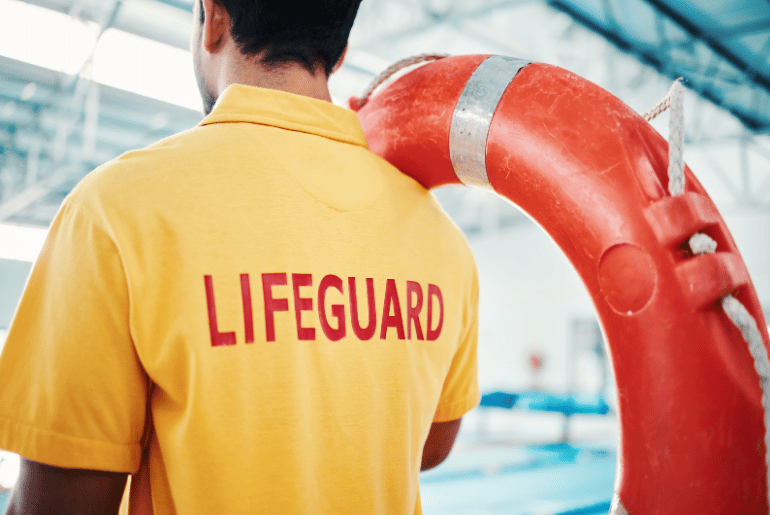
Watching Your Child Means Giving Them Your Full Attention
Being beside the pool isn’t the same as supervising. This means active supervision involves putting phones away, avoiding distractions, and keeping children in sight at all times. Younger children should ideally stay within arm’s reach, especially if they’re still building confidence in the water. It’s also important that families avoid asking one caregiver to supervise several young children at once, particularly in private pools where there may be no lifeguard.
Swimming More Risky In The Summer Heat
The UAE’s high temperatures add another challenge. Children can become dehydrated and exhausted much faster in the heat, so you’re leaving them more vulnerable in the water. Regular drink breaks and time out of the pool are just as important! While little kids are usually given more attention, older children also need to be looked after. They often become overconfident after learning a few swimming skills, leading them to attempt risky dives, jump into unfamiliar water or swim beyond their abilities.
Beach Days & Home Pools – Different Risks To Look Out For
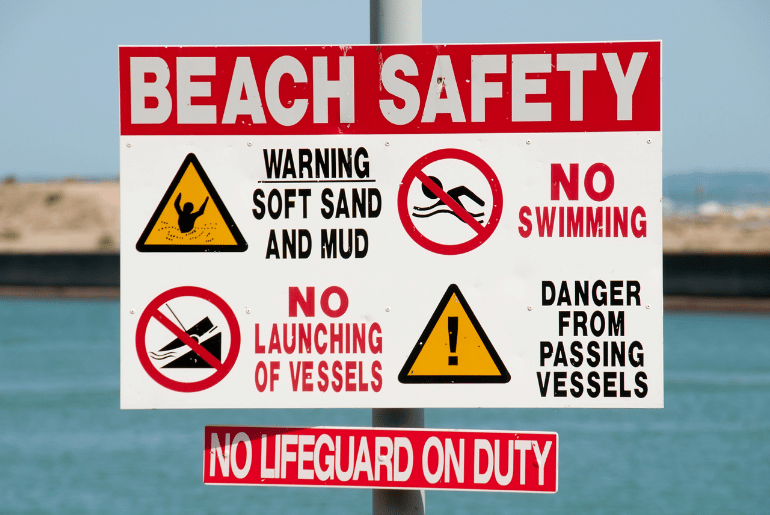
Whether you’re spending the day at JBR or relaxing by your home pool, every pool setting has hazards. At the beach, it’s recommended to swim only where lifeguards are present and to check beach flags, currents and sea conditions before entering the water.
Private pools require even greater caution because there may be no professional supervision. Families should agree on basic pool rules before children enter the water. This includes no running, no rough play and no pretending to drown. Wearing bright swimwear instead of blue shades makes children much easier to spot underwater.
Every Child Should Learn These Water Survival Skill
Swimming should be just the beginning. Adults should also understand basic water safety, particularly anyone responsible for supervising children around pools or beaches. Experts encourage parents to teach children how to:
- Float on their back
- Stay calm if they get into difficulty
- Find the nearest safe exit
- Recognise dangerous situations
- Ask for help as early as possible
Quick Safety Checklist Before Your Next Swim
Before heading out, experts recommend:
- Put one adult fully in charge of supervision.
- Keep younger children within arm’s reach.
- Never rely on inflatable toys for safety.
- Make sure caregivers understand water safety.
- Check beach flags and sea conditions.
- Encourage hydration and regular rest breaks.
- Set clear pool rules before anyone gets in.
- Choose high-visibility swimwear whenever possible.
Water safety isn’t about taking the fun out of summer; it’s about making sure every family gets home safely after a day in the sun. A little close supervision and a few simple precautions can make all the difference. And for more practical guides and everything happening around the UAE, keep reading Gulf Buzz.
Love Sweating It Out? Don’t Miss These FREE Workout Classes This July In Dubai