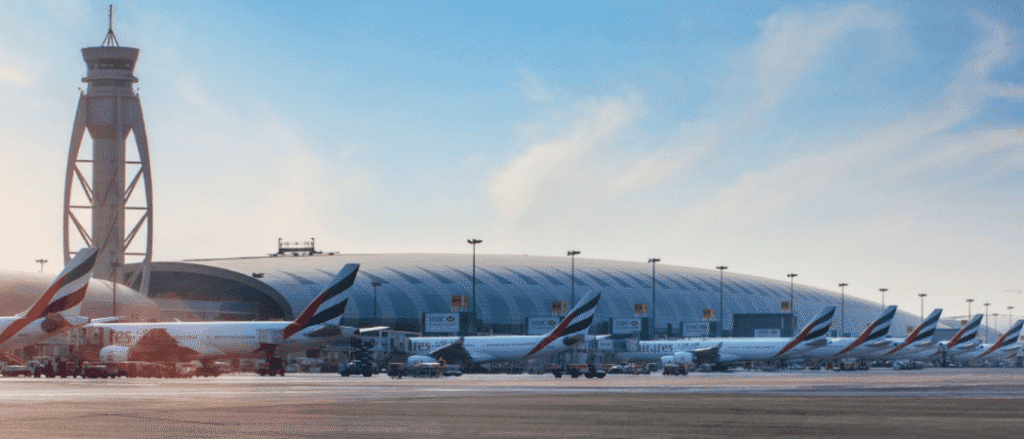

After weeks of uncertainty, airspace across the region is reopening, flight routes and schedules are expanding, and travellers are slowly and steadily getting back into planning mode. But before you rush to book (or rebook) that trip, there are still a few important things to know about what’s really happening behind the scenes. So, here’s a full breakdown of what’s changed and what it means for your next flight.
Need An Excuse To Travel? Here Are Top 10 Visa-On-Arrival Destinations To Spend Eid Al Adha 2026
UAE Airspace Fully Reopens
After an extended ceasefire between the US and Iran, the UAE’s General Civil Aviation Authority has confirmed that air traffic has now fully resumed across the country. While flights have technically been operating since early March, there were limited aviation corridors. This meant fewer flights, longer travel times, and restricted schedules. Now, with a full reopening in place, airlines are gradually scaling operations back up.
But…Travel Is Still Not Completely Back To Normal
Even with airspace reopening, it’s not a full reset just yet. The geopolitical situation remains uncertain (and yes, we are talking about those political mixed signals). Since there is no permanent resolution in place, ongoing tensions are affecting key routes.
There are also ongoing disruptions in major transit areas, such as the Strait of Hormuz, where naval activity continues to affect operations. So, while flight numbers are increasing, travellers should still expect some unpredictability.
Major Airlines Resume Flights
Airlines are slowly rebuilding their networks. However, most are still operating below full capacity.
- Emirates is currently flying to over 100 destinations, though on a reduced schedule. Passengers are being advised to double-check flight status, even after check-in. Flexible rebooking and refund options remain available for disrupted tickets.
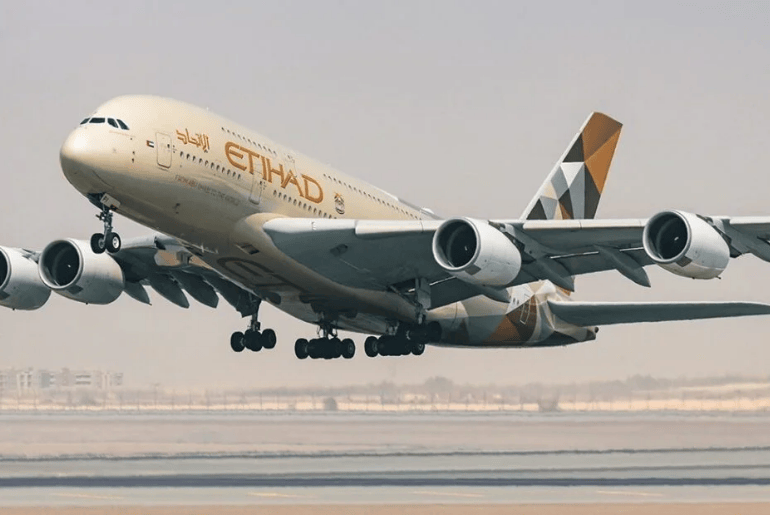
- Etihad Airways is operating to around 80 destinations. More routes are expected to return gradually. And travellers can make one free date change on eligible bookings.
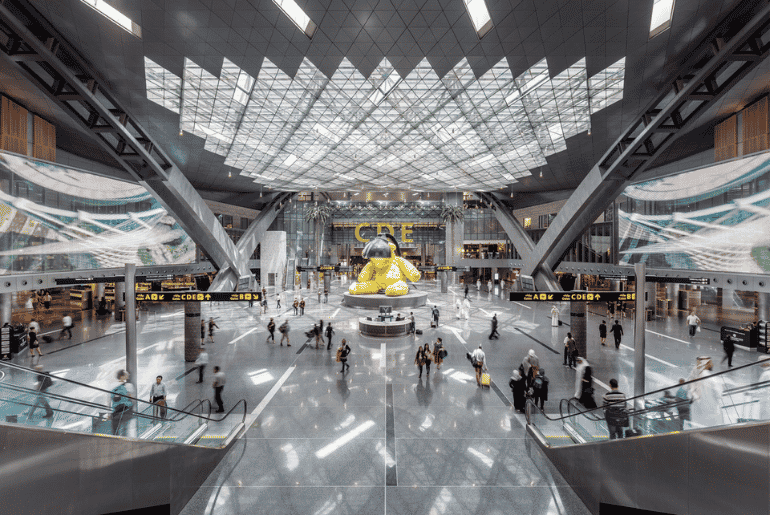
- Qatar Airways has resumed UAE routes and plans to expand to 150 destinations by mid-June. This includes key global cities.
- flydubai has restarted operations but warns of longer flight times due to rerouting.
- Air Arabia is running scheduled flights from Sharjah, Abu Dhabi and Ras Al Khaimah to several international destinations.
- Other regional carriers, including Gulf Air, Kuwait Airways and Iraqi Airways, are also resuming services in phases.
Airlines That Are Still Suspended
Not all airlines are back in action yet. Several international carriers have either paused or scaled back their operations in the Middle East. These suspensions mean fewer options overall, especially for long-haul travellers.
- British Airways, Lufthansa, and KLM have suspended or reduced flights to major cities, including Dubai and Abu Dhabi, for the coming weeks.
- Cathay Pacific has cancelled flights to Dubai until the end of June.
- Singapore Airlines has paused its Dubai route until late May.
- Virgin Atlantic has ended its seasonal Dubai service earlier than planned.
What Travellers Should Expect Right Now
Even if your flight is going ahead, the experience may still look a little different, and passengers are encouraged to keep re-checking flight status even after checking in. Until the regional tensions completely stop, passengers can expect:
- Longer flight times due to rerouted paths
- Last-minute schedule changes
- Technical fuel stops on some routes
- Limited flight availability on certain destinations
Airlines are offering flexible rebooking and refund policies, but these vary. So it’s always best to check directly before heading to the airport.

Key Airports Affected Across The Region
While flights are running, services remain selective, and passengers are being contacted directly regarding their bookings. Major hubs across the Middle East are now reopening or operating at reduced capacity, including:
- Dubai International Airport (DXB)
- Al Maktoum International Airport (DWC)
- Zayed International Airport (AUH)
- Hamad International Airport (Doha)
- Bahrain International Airport
- Kuwait International Airport
Middle East Airspace Status
Authorities are continuing to monitor the situation in real time to maintain safety across all operations. Here’s a quick snapshot of the current situation:
- UAE: Fully reopened
- Kuwait: Reopened with gradual operations
- Qatar: Open, with reduced schedules
- Bahrain: Reopened
- Iraq: Reopened for commercial flights
- Iran: Partially open (limited transit routes)
- Saudi Arabia: Open but impacted
Flights are back, but it’s not quite business as usual yet. If you’re travelling soon, stay flexible, keep checking your flight status, and maybe pack a little extra patience along with your passport – we get it, it’s annoying, especially when you want a smooth travel experience!. And of course, stick with Gulf Buzz for all the latest travel updates!
Your Child Is Travelling Alone For The First Time? Here’s An Unaccompanied Minor Travel Guide For Children Flying Alone
FOLLOW US ON OUR SOCIALS
Facebook | Instagram | Youtube