

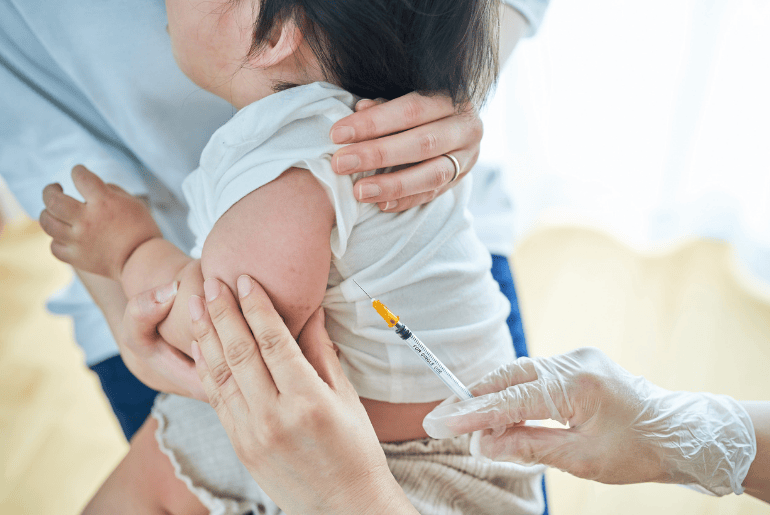
Vaccinating children in the UAE will soon carry stricter legal action. According to a draft law recently approved by the Federal National Council, the law proposes fines for parents or guardians who fail to ensure their children receive mandatory vaccines under the national immunisation programme. The move is part of wider efforts to strengthen the country’s defence against infectious diseases and protect public health. Approved during a session in Abu Dhabi, the proposal introduces penalties of up to AED 20,000 for non-compliance. Curious about what this means for families across the UAE? Keep reading for all the details.
Dubai Is Stepping Up Their Welfare For Stray Animals As Dubai Municipality Installs Smart ‘Ehsan Stations’ To Feed Stray Animals
UAE Proposes Hefty Fines For Missing Mandatory Vaccinations
Parents or guardians who refuse or neglect to vaccinate their children in accordance with the UAE’s national immunisation program could soon face financial penalties. Under the draft, fines could range from AED 5,000 to AED 20,000 if they fail to provide children with mandatory vaccines. The proposal was approved by the Federal National Council. While the framework introduces these penalties, authorities have not yet clarified exactly how enforcement will work or what circumstances can lead to action being taken against parents or guardians.
Free Vaccines Under The National Programme
Despite the proposed penalties, vaccines offered through the UAE’s national immunisation programme will continue to be provided free of charge. The programme covers newborns and other priority groups, ensuring that essential vaccines remain widely accessible as part of the country’s public healthcare system.

What Does The UAE’s Immunisation Programme Include
Children in the UAE receive a structured series of vaccines starting from birth and continuing until Grade 11. These vaccines protect against a variety of infectious diseases and are administered at different stages of childhood. As part of the country’s preventive healthcare strategy, the programme includes both routine and combination vaccines. This is designed to strengthen immunity and reduce the spread of communicable illnesses.
Vaccinations Requirements During Certain Situations
The proposed amendments also allow authorities to mandate vaccinations when necessary to control or prevent the spread of infectious diseases. If authorities introduce such a requirement, they must announce it publicly through official media and communication channels, so that residents stay clearly informed. However, individuals with medical conditions that make vaccination unsafe may be granted exemptions.
UAE’s Disease Prevention Framework
The draft amendments are part of a broader update to the country’s infectious disease legislation. The goal is to enhance disease monitoring, improve response strategies and ensure the UAE remains prepared for future health challenges. Senior officials involved in the discussion note that updating public health laws is essential as global health risks evolve. They also note that stronger legal frameworks help authorities respond more quickly to potential outbreaks while protecting community well-being. Since the COVID-19 pandemic, the initiative has reflected lessons learned and highlighted the importance of preparedness and rapid response.
The proposed law signals the UAE’s continued push to strengthen public health systems and keep communities protected. While the final enforcement details are still unfolding, it’s clear that healthcare remains a national priority. For all the latest updates, keep reading Gulf Buzz.
Several Changes Set To Take Effect This Year. Find Out More As UAE Issue’s New Public Safety Law From June 1