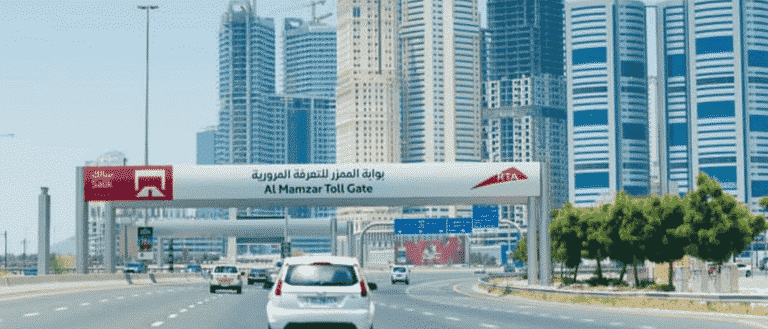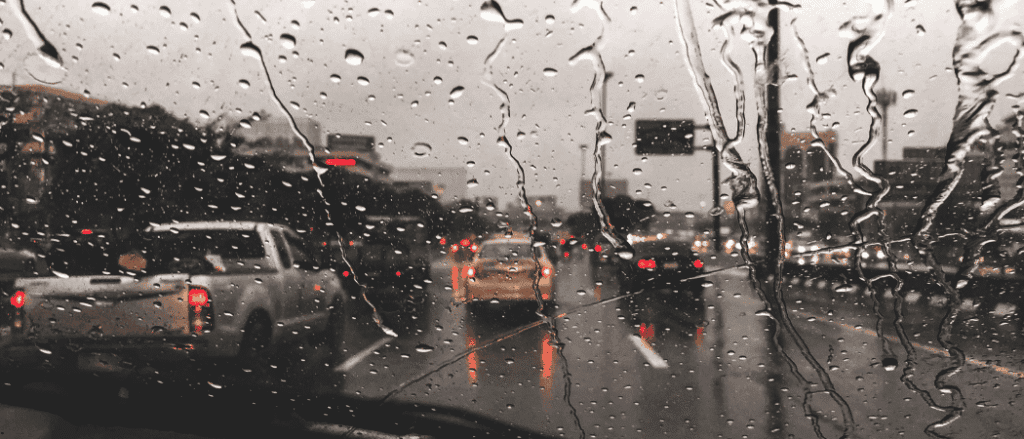

I might not have any right to say this as a person who doesn’t have a licence, but I feel like everyone forgets how to drive as soon as a single drop of rain lands in Dubai. I can’t be the only one who feels this way? I mean the number of traffic accidents on SZR alone speaks for itself. Like yes, those water droplets on your windshield are super Instagram worthy, but is it actually worth getting a hefty fine? Or worse, causing a crash? So, in light of the recent rain Dubai experienced a few days ago (fingers crossed we see a few showers before the year ends), let me remind you of a few major fines you can rack up when it starts to pour.
Also read: Multiple Traffic Fines overdue? Your Dubai Visa Might Be Impacted With UAE’s New Pilot Phase
1. Don’t Drive Into Flooded Areas
Penalty: Up to AED 2,000 fine, 23 black points, and 60-day vehicle impoundment
Areas with floodwater like a shallow wadi or puddle can sweep a car away in seconds. Police have warned that drivers who ignore road closures or try to cross flooded areas face severe penalties. Even if it looks tempting to let your car splash through it, but it’s always safer to wait until authorities declare the roads clear.
2. Stay Away From Dams & Valleys
Penalty: Up to AED 1,000 fine and six black points
I get it, rain in the UAE is rare, but standing near dams, wadis, or flooded desert valleys is risky and now illegal. Water levels can rise fast and unpredictably, turning these scenic spots into danger zones. It’s best to admire the rain from a safe distance.
3. No Phones While Driving
Penalty: Up to AED 800 fine and four black points
This one still string stands even when it’s not raining. Using your phone for any sort of reason why driving is actually one of the leading causes of road accidents. But I’m sure you didn’t find that fact surprising, because you know it’s true. Dubai Police have made it clear – distractions like texting or scrolling can have serious consequences. And recording accident scenes? That’s a much bigger offence, with penalties of up to six months in jail or fines reaching AED 500,000. Keep your hands on the wheel and your phone out of sight.
4. Be Sure To Follow Temporary Speed Limits
Rainy weather often brings temporary speed reductions across UAE roads. These lower limits show up on electronic signs and override the usual posted speeds. So pay attention!
Speeding penalties vary depending on how fast you go:
- 20 km/h over: AED 300 fine
- 80 km/h or more over: AED 3,000 fine, 23 black points, and 60-day vehicle impoundment
If you see a flashing speed limit, slow down immediately. It could save you from an accident and a hefty fine.
5. Don’t Block Emergency Vehicles
Penalty: Up to AED 1,000 fine, four black points, and 60-day impoundment
During heavy rain, rescue and emergency teams are everywhere. Blocking their path, even for a moment, can cost lives. Always make way for emergency vehicles and avoid stopping on the hard shoulder unless your car has genuinely broken down.
6. Skip The Hazard Lights (While Driving)
Penalty: AED 500 fine and four black points
Many drivers turn on their hazard lights when the rain pours, but that’s actually dangerous. Flashing all your indicators while moving confuses others on the road. They can’t tell if you’re turning, braking, or changing lanes. Police advise using hazard lights only if your car has stopped due to an emergency. If visibility is poor, slow down or safely pull over instead.
7. Always Use Your Indicators
Penalty: AED 400 fine
Changing lanes without signalling is risky on any day. But even more so when the roads are wet and visibility is low. Not using indicators gives other drivers zero warning, increasing the chance of a collision. Always signal early and double-check your mirrors before switching lanes.
Safety First, Always
Rainy days in the UAE are rare and beautiful. But they also demand extra care on the road. Slow down, stay alert, and respect traffic rules. After all, a little patience in the rain can save you from a whole lot of trouble (and fines).