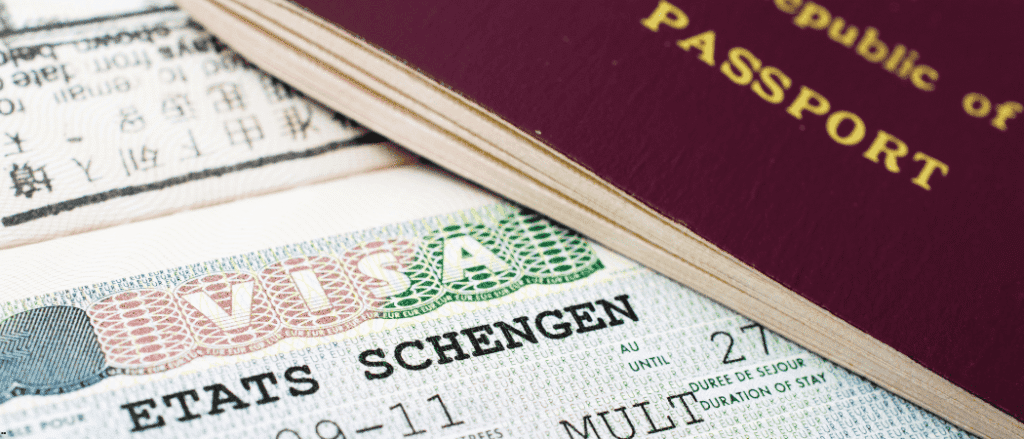

If you’ve got a European getaway coming up, there’s some travel news you’ll want to know before you pack your bags. The Schengen region is officially saying goodbye to old-school passport stamps! As of October 12, 2025, the Entry/Exit System (EES) has rolled out across the Schengen area, bringing in a smarter and more secure way to record travellers coming in and out. I have all the important details you need to know, so keep reading to find out more.
Also read: Schengen 90/180 Rule Explained – Here’s What UAE Residents Need To Know
Goodbye Passport Stamps, Hello Digital Borders
So what’s all the fuss about? The new Entry/Exit System replaces those classic ink stamps with a fully digital setup. Every time a non-EU traveller enters or leaves the Schengen area, their name, travel document type, photo, fingerprints, and entry/exit details will be automatically registered in the system.
That means no more flipping through your passport trying to find your last entry date. Everything will now be tracked electronically. This system is designed to make border crossings faster, more accurate, and less prone to errors. And while it might sound high-tech, it’s actually quite simple, the process happens automatically at the border gates, just like scanning your passport today.
Who Needs to Know About This?
This new system applies to non-EU travellers. That includes UAE nationals and residents visiting Europe for short stays (up to 90 days within a 180-day period). So, whether you’re flying to Paris for a romantic weekend, heading to Italy for a family vacation, or catching up with friends in Spain, this new rule applies to you.
But here’s some good news. Diplomatic passport holders are exempt from the system. Everyone else, though, will need to go through the quick digital check when entering or exiting any Schengen country.
What Happens During Your First Trip?
When you enter the Schengen area for the first time under this new system, your passport details and biometric data (that’s your photo and fingerprints) will be securely stored for 3 years. If you visit again within that time and nothing has changed. You won’t need to go through the full process again, until the 3 years are up.
You don’t need to pre-register or fill out any forms before your trip. The data is captured automatically when you cross the border. And if you’re wondering about privacy, the UAE’s Ministry of Foreign Affairs (Mofa) has assured travellers that all information will be stored safely and in full compliance with EU privacy regulations (GDPR).
Expect A Few Extra Minutes At The Border
While the new system is meant to speed things up in the long run, travellers might notice slightly longer queues in the early stages. Especially at busy airports like Paris, Frankfurt, or Rome. The system will take a few months to fully roll out across all Schengen borders. With everything expected to be up and running by April 2026. To make things smoother, officials are advising travellers to keep their passports handy and follow border control instructions carefully. Once your details are saved, future entries should be much quicker.
For UAE travellers, this new system is simply a small adjustment to the way you enter Europe. No extra paperwork, just a quicker and smarter border experience.