
A serious incident on Al Khail Road has once again highlighted just how quickly things can go wrong on busy UAE roads. According to Dubai Police, three people were injured in a multi-vehicle crash after a driver stopped abruptly in the middle of the road to retrieve a fallen number plate. What followed was a chain reaction. Another driver, unable to react in time, collided with the individual and crashed into two vehicles.
Thankfully no fatalities were reported from this incident. However, accident like these are still a heartbreaking reminder of how a single decision, made in just a few seconds, can have life-altering consequences for multiple people. While it can be difficult to talk about, there are many important lessons to learn from, here. In this episode of Prevention First we are going to highlight the dangers of stopping in the middle of the road, and prevention measures to take if you are ever in a situation that may require you to do so.
If you’re having car trouble right now due to the floods, Here’s What You Need To Know About UAE Car Insurance Due To Rain Damage
A Risk Not Worth Taking
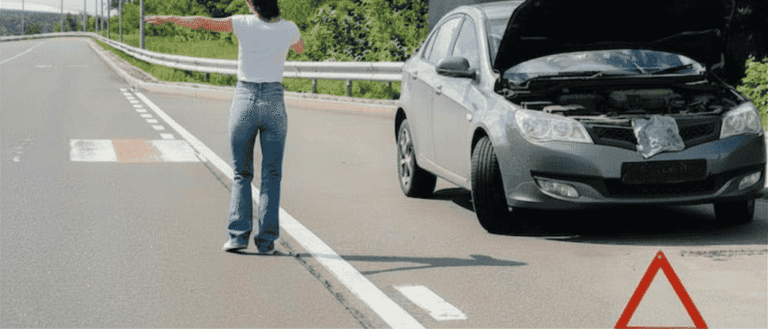
In this case, stopping in the middle of a high-speed road, no matter the reason, created immediate danger. Highways like Al Khail Road are designed for continuous flow, and any sudden stop can catch other drivers completely off guard. Even something that may seem minor, like retrieving a number plate, becomes extremely dangerous when it puts you directly in the path of fast-moving traffic. Authorities have made it clear: stopping on the road can result in serious accidents, injuries, and even fatalities. Which also includes fines of AED 1,000, six traffic points, and additional penalties for obstructing traffic.
What To Do Instead: Safer Steps That Could Save Lives
If you ever find yourself in a similar situation, here’s what authorities strongly advise:
1. Never Stop in the Middle of the Road
If something falls off your vehicle or you face an issue, keep driving until you can safely pull over to the side or a designated area.
2. Turn On Hazard Lights Immediately
Your hazard lights are your first line of communication with other drivers. They signal that something is wrong and help others react early.
3. Move to Safety First, Always
Your safety matters more than anything else. If your car breaks down, get yourself and your passengers away from traffic as quickly and safely as possible.
4. Use Your Warning Triangle
Every car comes equipped with a Warning Triangle. Placing the warning triangle at a safe distance of at least 50-150 meters behind your vehicle can give approaching drivers crucial extra seconds to slow down.
5. Call for Help Instead of Handling It Alone
Reach out to Dubai Police or roadside assistance if your vehicle cannot be moved. They are trained to secure the scene and manage traffic safely.
It’s easy to think, “I’ll just stop for a second.” But on busy roads, one second is all it takes. Staying alert, planning ahead, and knowing what to do in emergencies can make a real difference. Not just for you, but for everyone around you.
A Quick Reality Check For Every Driver
At the heart of Prevention First is a simple idea. Awareness can save lives. By sharing these stories with care and prevention tips, we hope to remind everyone on the road that safety should always come first. Because no moment of convenience is ever worth risking your life and others.