

Recently, it feels like the news never stops. The wait for the next headline is making us all anxious. And that one headline then turns into ten, notifications keep buzzing, and before you know it, your mood has taken a hit. Staying informed is important, but constantly absorbing heavy updates can leave you mentally drained and overwhelmed. The good news? You don’t have to unplug completely to protect your peace. Instead, with just a few small boundaries, you can stay up to date without feeling overwhelmed. Keep reading for simple ways to stay informed without feeling emotionally burnt out.
Also Read: Explaining War To Children – Mental Health Resources & Parents’ Guide To Supporting Anxious Kids
1. Choose Your News Sources Wisely
The internet is full of information, but not all of it deserves your attention. Some platforms rely on dramatic language or sensational headlines to grab clicks. Instead, choose a few reliable sources that focus on verified facts rather than emotional storytelling. And choose news sources that YOU enjoy getting your information from. By narrowing down where you get your news, you can reduce exposure to misleading or exaggerated information and make your news intake more manageable.

2. Schedule Your Daily News Check-In
It’s easy for news updates to sneak into every free moment of the day. But it doesn’t need to dominate your schedule. Try assigning specific times to check the news. Maybe once in the morning and again later in the day. Creating a routine helps prevent endless scrolling, and you get to focus on important parts of life like work, hobbies, family time, and rest.

3. Take Control Of Your Social Media Feed
Can’t stop doom scrolling? You’re not the only one! Social media platforms are built to keep people engaged. which often means highlighting content that sparks strong emotions, such as anger, fear, or outrage, or giggles. If you notice that scrolling through news on social feeds leaves you feeling tense or anxious, it may be time to reduce how much you rely on those platforms for updates.

4. Switch Off Before Your Bedtime Routine
Your evenings should help your mind slow down, not wind it up. By consuming stressful headlines before sleeping, you’re making it harder for your brain to switch off. Instead, replace late-night news browsing with something relaxing like reading a book, stretching, journaling, or even popping on a show to binge-watch. A peaceful bedtime routine can make a big difference to your sleep and emotional resilience.

5. Create Digital Boundaries
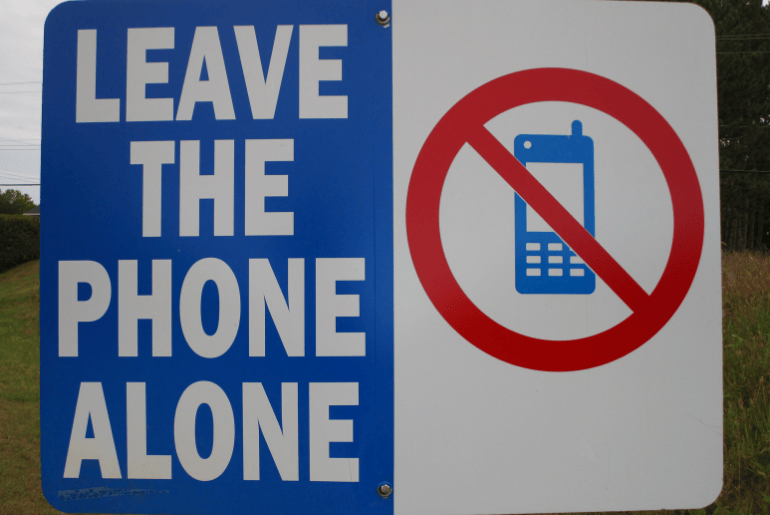
Having constant access to information makes it tempting to check your phone constantly. Introducing small boundaries can help break that habit. Try keeping phones away from the dinner table, avoiding scrolling in bed, or setting a short evening window in which your phone stays on airplane mode. Even brief digital breaks can feel surprisingly refreshing.
6. Shift Your Focus To What You Can Control
Being aware of global events doesn’t mean you have to carry the weight of every problem. Many situations reported in the news are far beyond individual control. Instead of absorbing everything, direct your energy toward what is within your reach, such as your daily routines and meaningful conversations with your family and friends. Small, positive actions can restore a sense of balance and perspective.

7. Connect With People
Sometimes the best way to reset your mind is simply to connect with others. Spend time with people you trust and talk about more than just the news. Share stories about your day, discuss plans for the future, or revisit happy memories. These conversations help remind you that there’s a life bigger than the headlines.

Staying informed doesn’t mean sacrificing your peace of mind. With a few thoughtful boundaries, you can keep up with the world while still protecting your mental space. And of course, stick around with Gulf Buzz for more helpful reads and all the latest updates.