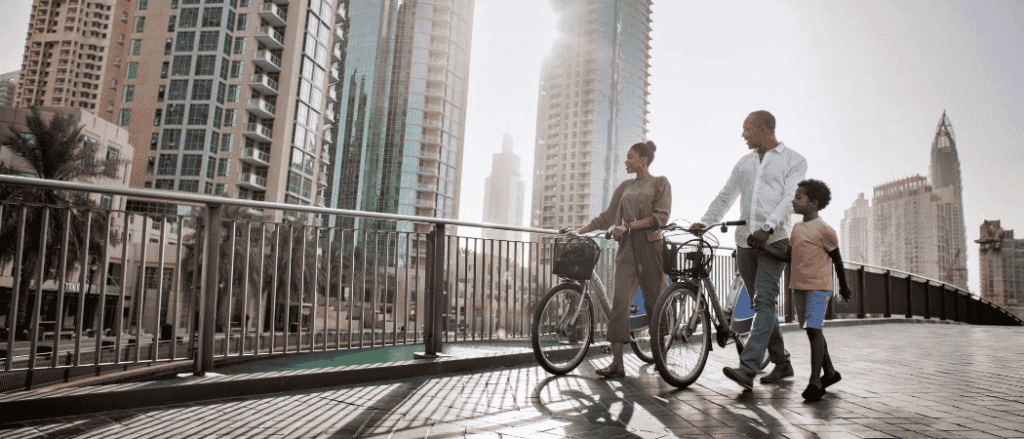

Let’s be honest, walking around Dubai isn’t always the easiest (especially during the summer months) option. Between long distances, heat, and car-first infrastructure, it’s rarely the go-to way to get around. But that’s exactly what’s about to change. Dubai Walk is stepping in with a massive plan to completely rethink how people move across the city, and this time it’s not just about sidewalks. We’re talking shaded paths and seamless connections to public transport. Curious about what’s coming? Keep reading for everything you need to know.
There’s A Lot More Changes Coming To Dubai! Here Are 4 Major Changes To Expect In Dubai This April
Making Dubai A 6000km Walkable City
Dubai is going big, like 6,000 kilometres big. The Dubai Walk Master Plan aims to roll out an extensive pedestrian network across 160 areas by 2040, making it one of the most ambitious projects of its kind globally. But this isn’t just about adding footpaths. The bigger goal is to shift how people move, creating a city where walking and cycling are practical, everyday options. The plan also includes 110 pedestrian bridges and underpasses to better connect neighbourhoods and remove common barriers. By 2040, the aim is to increase walking and mobility from 16% to 25%, supporting a more active and sustainable lifestyle.
Phase I – Kicks Off In Historic Al Ras
The first phase of Dubai Walk is already underway in Al Ras, one of the city’s oldest and most culturally rich districts. Running from 2025 to 2027, this phase focuses on upgrading the area without losing its historic charm. Here’s what’s being introduced:
- 12km of pedestrian walkways
- 5km of cycling tracks
- Wider pavements for easier movement
- Shaded walkways for comfort
- Seating areas to encourage longer stays
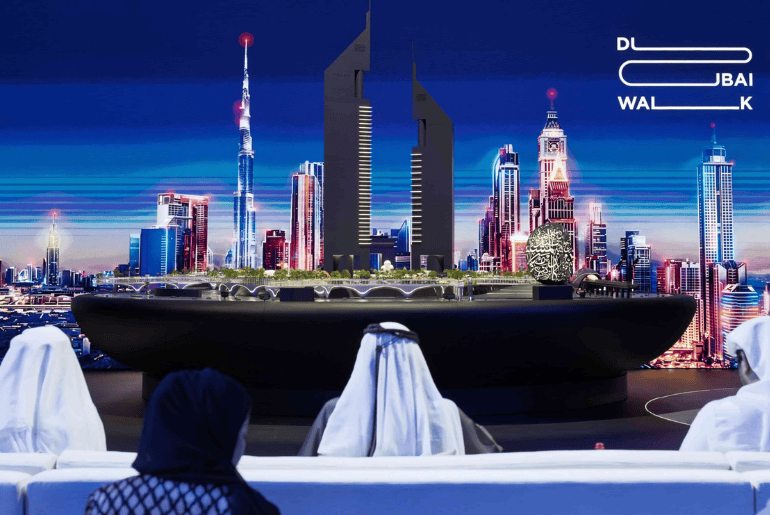
Making Dubai A ‘20-Minute City’
According to senior officials, this project is a major step towards Dubai’s long-term vision of becoming a ’20-minute city’ where residents can access most of their daily needs within a short walk or ride. The initiative is designed to go beyond infrastructure, improving everyday life, strengthening connections between communities, and making the city more accessible for everyone.
Connecting Culture, Landmarks & Everyday Life
One of the standout features of the Al Ras development is its focus on heritage. The walkway network will link some of Dubai’s most iconic historical landmarks, including:
- Al Ahmadiya School
- Sheikh Saeed Al Maktoum House
- Al Ras Public Library
- Al Fahidi Fort
- Al Shindagha Historic District
This creates a continuous, walkable cultural route, making it easier for residents and tourists to explore the city’s history on foot. Urban design upgrades will stay true to the area’s identity, with simple, thoughtful additions such as shaded paths, landscaped pockets, and advanced wayfinding systems.
Seamless Links To Public Transport
Getting around without a car is about to get a whole lot easier. Currently, the Phase 1 project of Al Ras walkways will connect directly to 11 metro, bus, and marine transport stations, making it simple to switch between walking and public transport. Across the wider network, expect smart features like:
- Digital wayfinding systems
- Integrated navigation tools
- Interactive walkways
- Real-time updates via mobile apps
This plan also places a strong focus on comfort, with climate-friendly additions such as shading structures, misting systems, and green corridors to make walking more enjoyable year-round.
Public Spaces But With A Creative Twist
Dubai Walk isn’t just about getting from A to B. It’s also about creating places people actually want to spend time in. In Al Ras, 10 artistic spaces will be revitalised in collaboration with local creatives. Expect murals, sculptures, and public art installations, all enhanced with thoughtful lighting to highlight the area’s heritage. These spaces will also host cultural events and seasonal activations, making your everyday walks a fun venture into lively community hubs.
A Shift Towards A More Human-Centred City
At its core, Dubai Walk reflects a bigger shift in how cities are designed. Instead of prioritising cars, the focus is moving towards people, making streets safer, more accessible, and more enjoyable. By connecting residential areas, business hubs, and cultural districts, the project aims to create a more cohesive urban experience where walking becomes a natural choice. It also supports wider goals around sustainability, public health, and economic growth, because more walkable cities tend to mean more vibrant communities.
Dubai Walk isn’t just another infrastructure project; it’s a long-term shift in how the city lives, moves, and connects. And while it won’t transform everything overnight, it’s definitely one to watch as it rolls out across the emirate. For more updates, keep reading Gulf Buzz.
Until Dubai Becomes A Walkable City, Check Out These 9 FREE Family Friendly Things To Do In Dubai