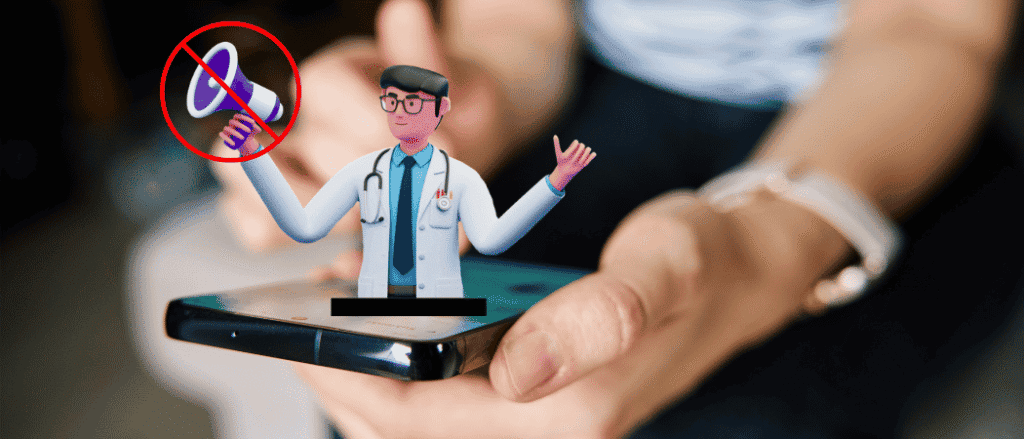

Dubai is tightening the reins on how healthcare gets marketed online. The Dubai Health Authority (DHA) has introduced a comprehensive new set of standards covering everything doctors, clinics, hospitals and even influencers can and can’t say when promoting medical services on social media. Keep reading for all the details you need to know.
Who Has To Follow These Rules
This isn’t just about doctors posting from their clinic accounts. The DHA’s Standards for Medical Advertisement Content on Social Media apply to every DHA-licensed health facility and healthcare professional, across pretty much every platform you can think of. Instagram, Facebook, TikTok, YouTube, Snapchat, WhatsApp and LinkedIn.
And yes, you read it correctly, influencers are in scope too. If an influencer promotes a health facility’s services, treatments or results, that content now falls under these same standards. Any post that names or identifies a facility needs sign-off from that facility’s medical director first. And the facility itself is on the hook for the content, even if it was filmed on an influencer’s personal phone and posted from their own account.
There’s also a rule for doctors who split their time between Dubai and elsewhere. They require a separate, Dubai-specific social media account that follows these standards in full, and that includes any content involving patients they’ve treated in other countries.
The Banned Phrases List
A whole list of exaggerated or misleading words has been banned from medical advertising. Here’s what’s off the table:
- Miraculous
- Magic
- Unique
- The best
- Exclusive
- Safest
- Incomparable
- Unprecedented
- 100 per cent (%)
- Absolutely certain
- Assured success
- Has no side effects
- Get money back
- Famous
- Pioneer
- Immediate results
And that’s not the full list either. The DHA says these are just some of the most frequently used examples. On top of the banned words, facilities and doctors also can’t post negative or unfounded claims about other doctors, healthcare facilities or government entities.
Titles Have To Match What’s On The Licence
Fancy self-styled job titles are getting phased out too. If it’s not on your DHA licence, you can’t use it. So titles like “Cosmetic Specialist,” “Aesthetic Consultant,” “Cosmetologist,” “Anti-Ageing Specialist” or “Beauty Expert” are no longer allowed either.
The title “Dr” is also being locked down. As it should. It can only be used by physicians, dentists and professionals with a recognised PhD. And if it’s a PhD, your certificate needs to be attested by the UAE Ministry of Education.
Approvals & Consent Are Non-Negotiable
Every single social media post that names or refers to a health facility now needs approval from that facility’s medical director. They’re also responsible for training staff, appointing someone to moderate the accounts, and archiving every post in case the DHA wants to review it during an audit.
A couple of other things facilities need to watch. They can’t use the DHA’s logo or name (or any other government body’s) without written approval, and they can’t feature patients treated at their Dubai facility on their international social media pages.
Before any patient’s photo, video or testimonial goes into an ad, the facility needs written consent from them. And if the patient is under 18, a parent needs to consent separately.
Before-and-after photos have specific rules too. They must show the same person, taken with the same lens, with no editing involved, and they need a disclaimer stating that results can vary from person to person.
One more important one. Filming or live-streaming inside operating theatres or procedure rooms is banned while a patient is having minor or major surgery, or is under general anaesthesia, for promotional purposes.
Anything Else Is Off-Limits?
Beyond the specific word bans, the DHA has laid out broader lines that can’t be crossed. Ads can’t create unrealistic expectations, use scare tactics to push people into treatment, take advantage of a patient’s lack of medical knowledge, or claim one doctor’s services are better than a competitor’s.
Testimonials comparing different health professions aren’t allowed either, and neither is any content that goes against UAE culture, Islamic values, or shows intimacy.
Staff Need To Know The Consequences Too
It’s not just about following the rules. Medical directors are required to make sure their staff actually understand the penalties for breaking them. That means induction training for new staff, plus regular refresher sessions to keep everyone up to speed on acceptable social media use.
With clearer rules now in place, patients scrolling through Dubai’s social media feeds can feel a little more confident that what they’re seeing is the real deal.