

For anyone living in the UAE, you know just how relentless the summers can be. And while most of us are focused on avoiding sunburn and heat exhaustion, there’s another health risk quietly on the rise. Doctors across the country are seeing more kidney stone cases as soaring temperatures leave people dehydrated without them even realising it. Here’s why experts are concerned and what you need to know to stay protected this summer.
Planning To Hit The Pool This Summer? 10 UAE Pool & Beach Safety Tips Every Parent Should Know
How Summer Heat Increases Kidney Stone Risk
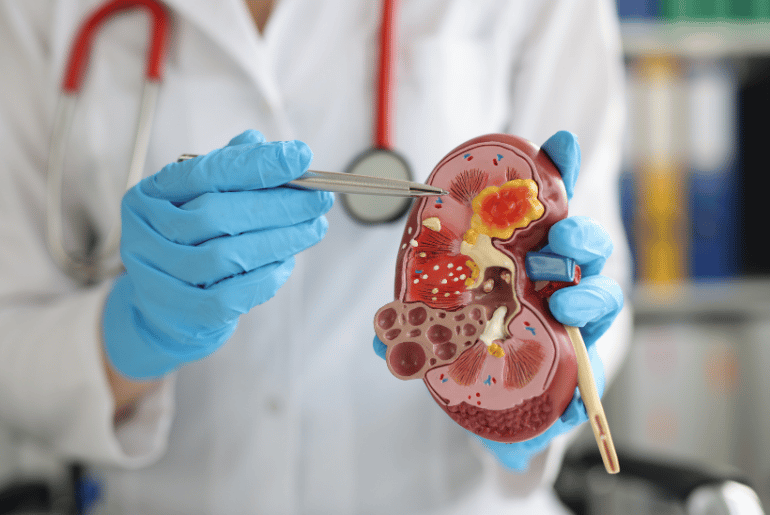
As temperatures climb across the UAE, dehydration becomes one of the biggest triggers for kidney stone formation. Health experts explain that when your body loses fluids through sweating, and those fluids aren’t replaced, urine becomes much more concentrated. This then creates the perfect environment for minerals such as calcium, oxalate and uric acid to clump together. And you’re basically dealing with the formation of crystals that can eventually develop into kidney stones.
Doctors say they typically see a noticeable increase in kidney stone cases during the hotter months. That’s cause many people underestimate just how much water they lose every day. And it’s not just outdoor workers who are affected either. Office workers, gym-goers and anyone spending time outdoors can also become dehydrated without realising it. The good news? Drinking enough water helps dilute urine, making it far less likely for crystals to form in the first place.
Don’t Brush Off Early Warning Signs!
One of the biggest misconceptions about kidney stones is that they always begin with unbearable pain. However, specialists say the earliest symptoms are often mild and can easily be mistaken for dehydration, muscle soreness or even a urinary tract infection. Some warning signs to watch out for include:
- Pain in your lower back, side or flank
- A burning sensation while urinating
- Needing to urinate more often than usual
- Blood in your urine
- Cloudy urine
- Nausea or vomiting
As the stone moves through the urinary tract, the pain can quickly become more severe. In fact, experts also warn that developing a fever alongside kidney stone symptoms is a medical emergency. This could indicate a serious kidney infection that requires immediate treatment.
Drinking More Water Is Only Part Of The Solution
While staying hydrated remains the most effective way to reduce your risk, experts say water alone isn’t enough. People are advised to maintain a daily urine output of around 3 to 3.5 litres. This increases to 4 to 5 litres if they’ve previously had kidney stones. Making a few simple dietary changes can also go a long way, including:
- Cutting back on salt
- Limiting excessive animal protein
- Reducing oxalate-rich foods if recommended by a doctor
- Eating more citrus fruits like lemons and oranges
- Maintaining a healthy body weight
Those with recurring kidney stones or a family history of the condition are also encouraged to undergo a metabolic evaluation. This allows doctors to identify the type of stone they’re prone to and recommend personalised prevention strategies.
Small Daily Habits Can Make Big Changes
Experts say it’s not just about how much water you drink; it’s also about how you drink it. For instance, instead of consuming large amounts at once, residents are encouraged to sip water consistently throughout the day to keep urine pale in colour, a simple sign of good hydration. Other habits that can help lower your risk include:
- Eating more fruits, vegetables, legumes and other plant-based protein sources
- Reducing processed foods and sodium
- Avoiding sugary soft drinks and salty snacks
- Only taking calcium or other dietary supplements if prescribed by a doctor
It’s also important to keep in mind that 80% of kidney stones are calcium-based. So taking calcium supplements without medical advice may increase the risk for some people. Those working outdoors or exercising in the heat must take regular breaks, replace lost fluids and electrolytes, and avoid prolonged dehydration.
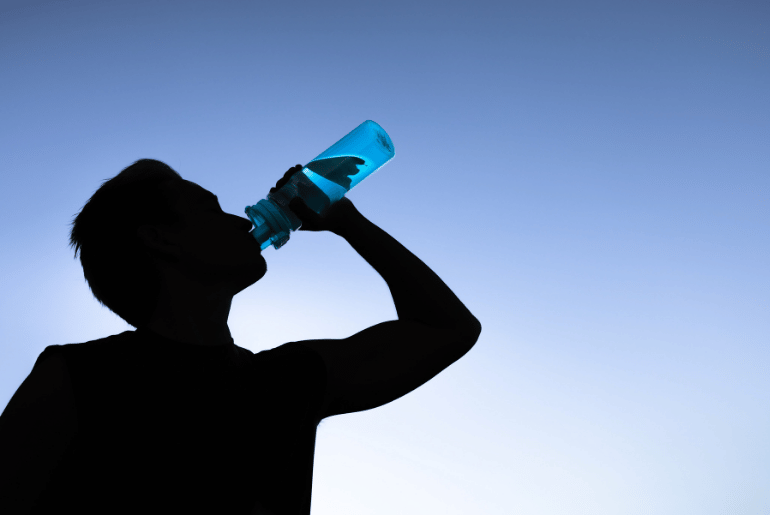
Whether you like it or not, your water bottle might just be the most important thing you carry this summer. Just taking a few sips throughout the day could help you avoid one of the most painful health conditions linked to the UAE heat. Stay hydrated, don’t ignore the warning signs, and keep checking back with Gulf Buzz for more practical tips and local news!
It’s Crazy Hot Out There! Check Out This UAE Summer Survival Guide: 9 Ways To Stay Cool & Beat The Heat