
Classes are officially back in session. But unfortunately, it’s not quite business as usual. Schools across Dubai have reopened with a fresh set of safety measures, new protocols, and something called ‘safe zones’. As the daily campus routine has undergone a small adjustment, there’s a lot for parents to keep up with. From stricter indoor requirements to the return of outdoor activities, here’s a breakdown of what’s changed and what this means for students and parents looking to get back to normalcy soon!
A Lot More Changes To Expect In Schools, UAE Bans Sugary Drinks & Snacks In Schools: What Parents Must Know
Schools Finally Reopen
After more than 40 days of distance learning, students across the UAE returned to classrooms on 20th April. The temporary shift to online classes was a precaution amid regional tensions. However, schools have now begun transitioning back to normal operations. In Dubai, private schools were allowed to reopen only after receiving approval from the Knowledge and Human Development Authority (KHDA).
As part of the reopening, schools had to sign a formal consent document, which ensures all staff complete mandatory training on reopening procedures. A final deadline of 27 April was set for all schools to resume in-person learning, alongside continuing distance learning where required.
‘Safe Zones’ In Schools – What Are They?
One of the biggest changes this term is the introduction of ‘safe zones’. These are dedicated indoor spaces designed to protect students during emergencies. The areas must follow strict guidelines outlined in the KHDA’s reopening protocols for Dubai private schools. The bottom line of these rules is to ensure every student can quickly reach a secure space if needed.
Indoor Requirements & Space Criteria
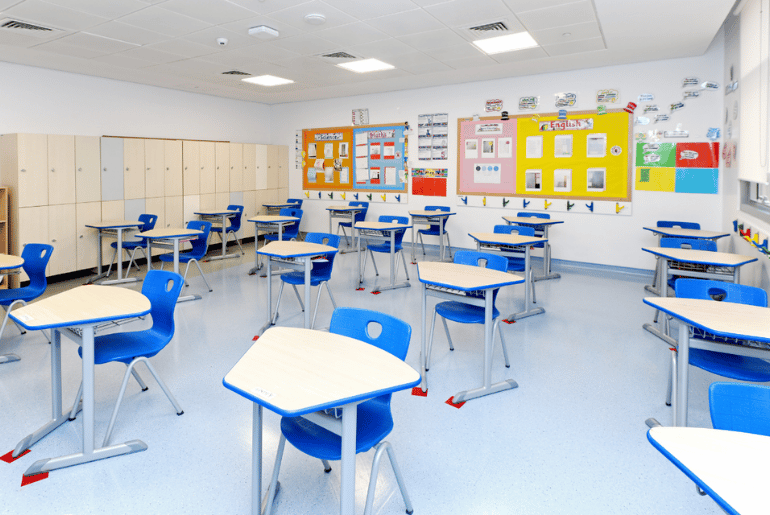
To qualify as a safe zone, spaces must meet specific safety standards. This includes proper ventilation while remaining shielded from potential risks. Requirements also state the need for clearly identified emergency exits and assembly points.
Safe Zone Rules
Not every room can double as a safe zone. To be considered compliant, these spaces must:
- Be positioned away from windows and glass surfaces
- Be accessible within one minute from anywhere on campus
- Avoid routes that require passing through outdoor or exposed areas
- Be available in multiple locations across the school
- Be excluded entirely if they don’t meet all safety conditions
Planning & Mapping Safe Zones
Schools are required to clearly map all designated safe zones in evacuation plans and campus layouts. Staff must know exactly where these zones are located within their assigned areas to ensure quick and efficient access during emergencies. Distribution across buildings is also key, so no student is too far from a designated space.
Staff Training
Preparation is a major focus of the new rules. Schools must ensure:
- Staff are fully trained on emergency procedures and evacuation routes
- Responsibilities are assigned ahead of time, rather than during a crisis
- Emergency ‘go-bags’ are ready, stocked with essentials like first aid kits, student registers, and key contact information
Outdoor Activities Resume
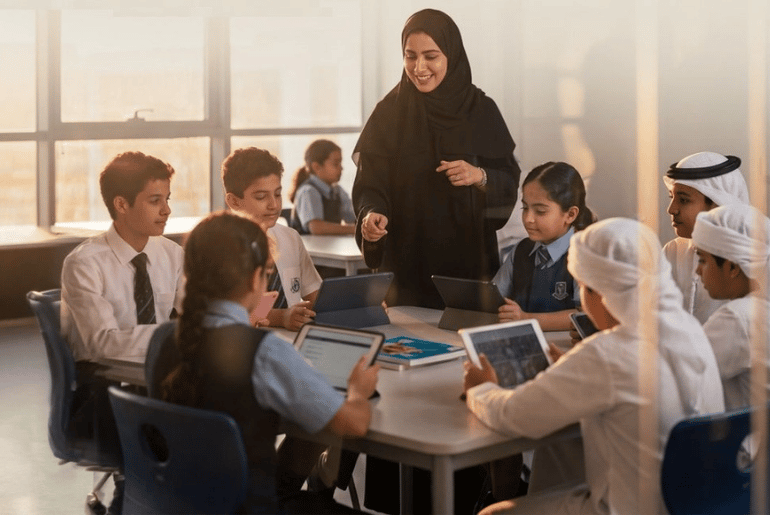
There’s good news for students: outdoor activities are finally making a comeback! While playgrounds, sports fields, and physical education classes were temporarily paused as a precaution, schools are now gradually resuming them. Assemblies and outdoor sessions are also expected to resume, signalling a steady return to normal school life.
As things settle back into routine, these new measures are designed to keep students safe and the parents at ease without disrupting daily learning too much. As students begin to adjust, it’s still a step closer to normalcy. Stay in the loop and keep reading Gulf Buzz for all the latest updates.
If You’re Helping Your Child To Cope With The Tense Situation We Experienced, Here’s What To Know About Explaining War To Children – Mental Health Resources & Parents’ Guide To Supporting Anxious Kids