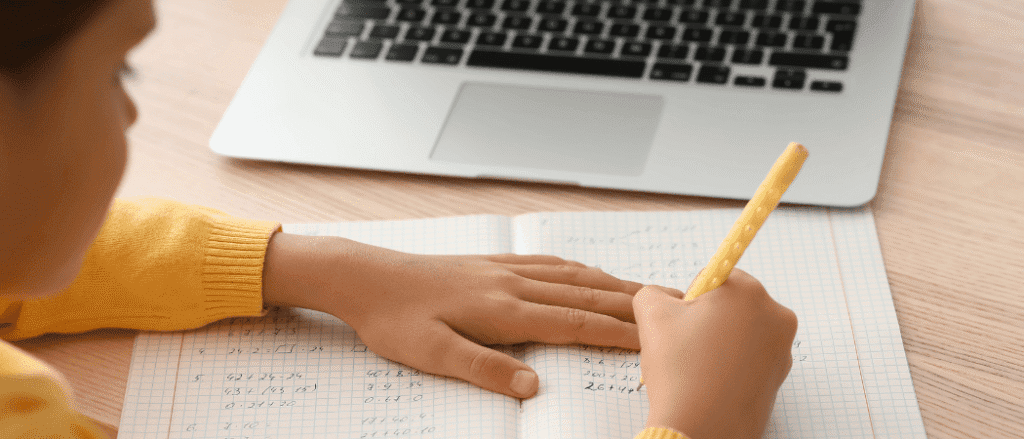

If working and studying from home is giving you lockdown flashbacks, you’re not alone. And once again, whether we like it or not, remote learning is back in focus. This time, however, schools across the UAE are making sure it’s not just effective, but safe too! With students spending more time online, the UAE’s Ministry of Education has issued remote learning rules to ensure digital behaviour, stronger supervision, and a more balanced routine at home. So if you’re a parent, student or teacher, here’s what you need to know.
If You Or Your Kids Are Spending More Time Online, UAE Issues Warning On The 4 Personal Details To Never Share Online
1. Use Approved Platforms Only
Students are expected to stick to official learning platforms approved by their schools. This helps make sure access to reliable academic material while protecting personal data. Unverified apps and websites may expose students to harmful or inappropriate content.
2. Online Safety Comes First
A major focus is on digital safety. Students are reminded not to share personal information with strangers or with any unknown sources online. Schools are also reinforcing the importance of responsible behaviour in virtual spaces to avoid potential risks.
3. Follow Virtual Classroom Etiquette
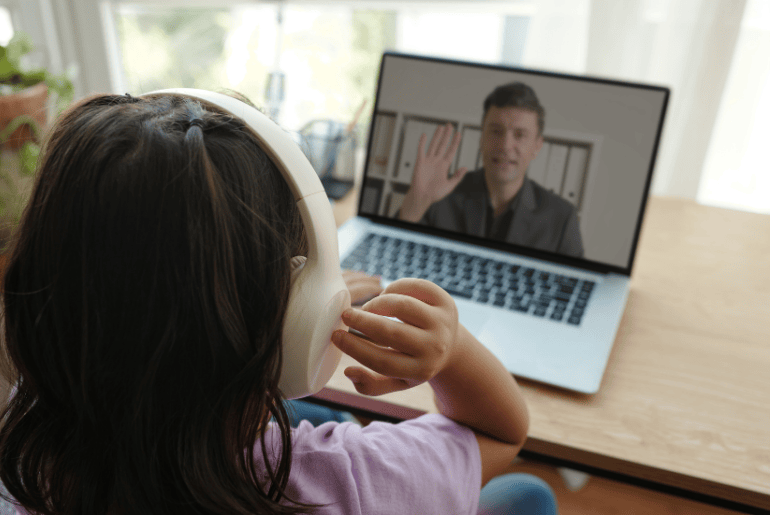
Logging in on time, staying attentive, and respecting teachers and classmates are all part of the deal. Students are expected to maintain discipline and positive conduct throughout lessons.
4. Parents Play A Key Role
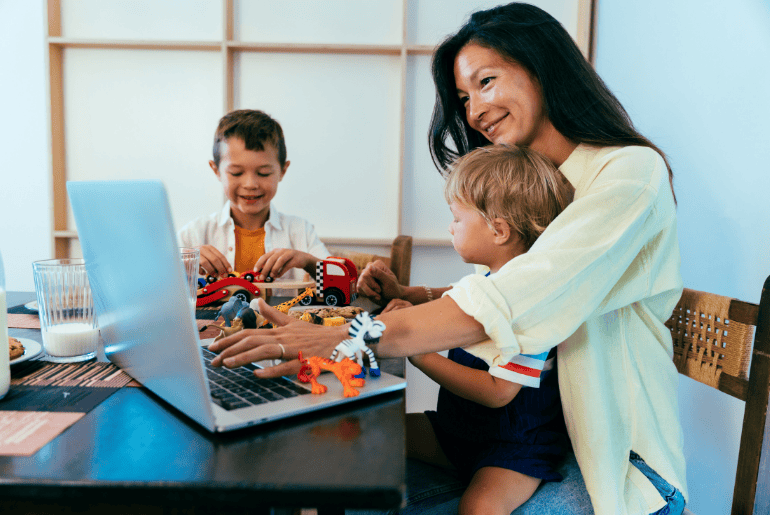
Families are encouraged to stay actively involved in their child’s learning. This includes tracking attendance, ensuring assignment completion, and helping kids to maintain a structured daily routine.
5. Parental Controls & Tech Checks
Households should enable parental control settings on devices used for learning. Students experiencing any technical issues should report them through official school channels to ensure smooth and secure access to classes.
6. Active Participation
Schools are pushing for engagement, not just attendance. Students should contribute to discussions, participate in activities, and stay engaged throughout lessons to make the most of remote learning.
7. Limit Non-Educational Screen Time
To avoid burnout, students should reduce non-school-related screen time during study hours. Creating a clear separation between learning and leisure is key to maintaining focus.
8. Prioritise Breaks
Short breaks between lessons are recommended to help students recharge and focus. Parents are also encouraged to monitor their child’s mental well-being and watch for signs of stress.

9. Schools Supporting Parents
While the new routine can be an adjustment for kids, it also takes a toll on parents as they manage work, home, and online learning. Many schools have also started hosting virtual workshops and parent sessions to explain how these rules work and how families can implement them effectively at home.
10. Admissions Go Digital
Schools have already begun early registrations for the upcoming academic year. From online applications to remote assessments, the process is becoming more convenient for families. Younger students, especially in kindergarten, are assessed through interactive activities rather than formal testing. As admissions go digital, virtual school tours are also now available, giving parents a closer look at facilities, programmes, and student support services, while you’re at home!

While remote learning takes place through screens, the goal is still the same. Ensuring kids participate in a safe, structured, and meaningful education. And with these updated guidelines, it looks like everyone has a role to play. Stay tuned to Gulf Buzz for more updates and educational tips.
Need A Break From Online Learning? Switch Off & Head To These 10 Libraries In Dubai