
If you thought your social media was a 100% ‘private’? You’re mistaken. From subtle data scraping (an automated process of extracting structured data from websites) to clever social engineering tricks, what you share online could be revealing more than you realise. And frighteningly, your personal information could be shared with the wrong people. As digital threats get smarter, your everyday posts could become easy entry points for scams, identity theft, or worse. So before you hit ‘post’ on that next story or reel, it’s worth knowing what’s actually at stake. Keep reading for everything you need to know.
Did You Know That Sharing Fake News In The UAE Could Lead To Prosecution?
Why Your Digital Footprint Matters
Your online presence is more permanent than you think. And surprisingly, more public than it feels. Even with strict privacy settings, content can be screenshotted, shared, or scraped by third parties. The UAE Cyber Security Council have warned that many users underestimate just how accessible their personal data can be once it’s out there. With the rise of advanced social engineering tactics, even small details can be pieced together to build a bigger picture of your life. And that’s exactly what cybercriminals rely on.
Personal Details You Should Never Share Online
When it comes to protecting your privacy, some information is simply off-limits. Experts emphasise that even seemingly harmless posts can carry unintended consequences when viewed collectively. Here are four key things you should always keep off your public profiles:
- Full Home Address: Sharing your exact location can put your physical safety at risk and make your home an easy target.
- Personal Mobile Numbers: Posting your phone number publicly can open the floodgates to phishing attempts, spam, and unwanted contact.
- Private Family Photos: Images of loved ones, especially children, can be misused or manipulated without your knowledge.
- Travel Or Outing Plans: Announcing trips or outings in real time can signal that your home is unoccupied, a risk many people overlook.

Pause Before You Post
A simple habit can make all the difference – pause and think before hitting share. Senior officials are encouraging residents to be more intentional with their online activity, especially when it comes to real-time updates or personal details. Taking a moment to assess what you’re posting and who can see it can significantly reduce your exposure to digital threats.
Strengthen Your Privacy Settings
It’s not just about what you post, but who can access and view your content. Regularly reviewing your privacy settings across platforms is essential. Make sure your accounts are set to limit visibility where possible, and stay updated on any new security features introduced by apps. It’s also important to remember: your privacy doesn’t exist in a vacuum. Friends and followers can unknowingly share information about you, too!
Shift In Online Behaviour
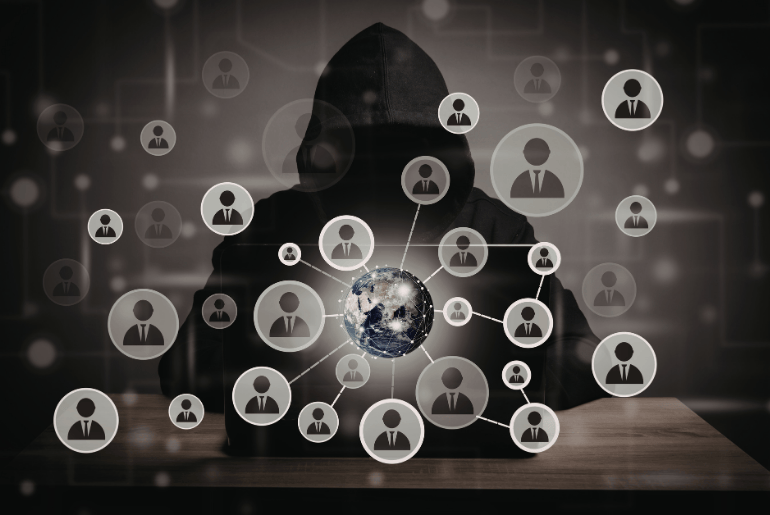
Beyond settings and controls, real online safety comes down to behaviour. Limiting how much personal information you share, and when you share it, can drastically reduce your vulnerability. Think of it this way: the less detail you put out there, the fewer opportunities there are for it to be misused.
Staying safe online doesn’t require a complete digital detox. Just smarter habits. By simply making a few small changes, you can help protect your privacy and peace of mind. For more safety tips like these, keep following the official Gulf Buzz website.
It’s Not Just Social Media Privacy You Need To Be Concerned About As UAE Issues Warning On Scams To Watch Out For – Social, Emails & Phone Calls