
Travel just got pricier. Airlines across Asia, Europe, and beyond are hiking fares, adding fuel surcharges, and reshuffling schedules as the ongoing Middle East conflict pushes jet fuel prices sky-high. From Australia to Scandinavia, carriers are reacting to a sudden surge in operating costs, with some warning that further changes could be on the horizon. Keep reading for all the details.
Startled By An Emergency Alter While Driving? Motorists, Here’s What To Do If You Get A Missile Alert
Jet Fuel Prices Hit Record Levels
Before the ongoing US-Iran conflict in the Middle East, jet fuel hovered around $85-$90 per barrel. Now, prices have spiked to between $150 and $200 per barrel, forcing carriers to rethink their fare structures. Airlines warn that without adjustments, some flights may struggle to cover operating costs.
Major Airlines Adjust Fares and Schedules
Several airlines are rolling out temporary price hikes. Qantas is considering shifting capacity to Europe, while Cathay Pacific plans extra flights to London and Zurich to manage airspace and capacity challenges. Air New Zealand has raised fares and has cautioned that additional increases may follow if fuel costs remain elevated.
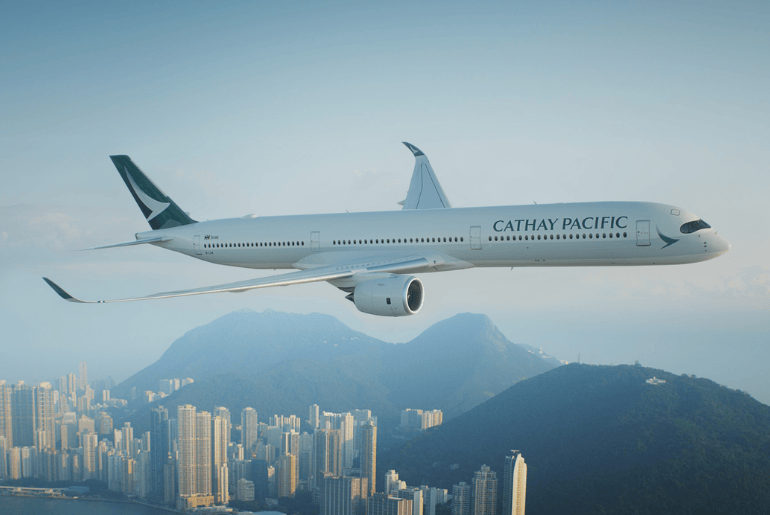
Hong Kong Airlines, on the other hand, will increase fuel surcharges by up to 35.2%, and Air India has announced a phased increase in surcharges on domestic and international flights to balance the rising operating costs.
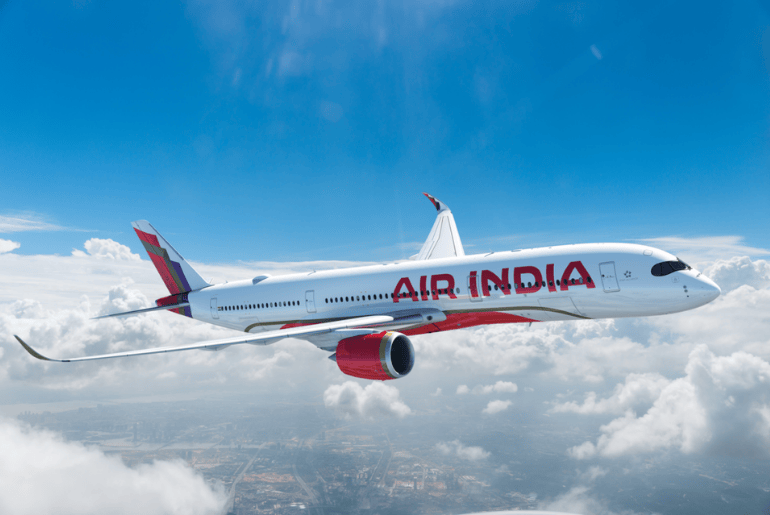
Air India Rolls Out Phased Fuel Surcharges
Air India’s surcharges will be implemented in three phases.
- Phase 1: From 12 March, Air India introduces a domestic and SAARC surcharge of Rs399 ($4.34) and regional surcharges from $10 to $90, depending on the destination.
- Phase 2: From 18 March, the airline will increase charges on flights to Europe ($125) and North America and Australia ($200).
- Phase 3: Prices for the Far East destinations, including Hong Kong, Japan, and South Korea, will be announced later.
The airline stressed that tickets already issued will not be affected unless changes are made to dates or itineraries. Officials said the surcharge is unavoidable, noting that without it, some flights might not be financially viable. However, the surcharges will be periodically reviewed and adjusted as needed. Note that Air India Express currently applies no fuel surcharge on its flights.
Pressure Due To Airspace Disruptions
The Middle East conflict isn’t just raising fuel costs. It’s also limiting airspace. Pilots are rerouting flights, which lengthens journeys further, leading to burning more fuel and straining global travel. Airlines based in Europe and Asia are adjusting networks to cope with these tighter skies. Together, Emirates, Qatar Airways, and Etihad handle a significant share of traffic between Europe, Asia, and the Pacific, making airspace restrictions particularly impactful.
Key Points For Passengers
- Bookings made before the effective dates will not attract the new surcharge unless there are date or itinerary changes.
- Most airlines will review surcharges periodically and make adjustments as the situation evolves.
- Passengers should check their bookings and fare details before heading to the airport.
Rising fuel costs and tighter airspace are making flights more expensive and operationally challenging worldwide. Travellers are advised to check fares carefully and be prepared for potential schedule changes. Keep reading Gulf Buzz for all the latest updates and travel insights!
Flights Cancelled, But You Still Need To Fly Back Home? Here Are Alternate Routes To Fly Home Safely