
Dubai is tightening the rules on public safety! From crowded beaches to residential buildings, this new law will reshape how safety is managed across the UAE. The legislation aims to reduce accidents, protect residents and visitors, and make sure services and venues meet strict international standards. With new responsibilities for businesses and the public alike and hefty fines for those who break the rules, this law will impact daily life more than you might think. Here’s what you need to know before the rules take effect.
Also Read: UAE Issues Warning On Scams To Watch Out For – Social, Emails & Phone Calls
New Rules To Strengthen Public Safety
Dubai has introduced Law No. (2) of 2026 on Public Safety, issued by Sheikh Mohammed bin Rashid Al Maktoum in his role as Ruler of Dubai and Vice President and Prime Minister of the UAE. This law establishes a clear structure which helps protects people and minimises risks. The legislation will officially come into effect on 1 June 2026 and will be published in the Official Gazette. Authorities say the move will help align Dubai with global safety standards and reduce injuries and fatalities by enforcing stricter rules for products, services, and public spaces.
Stricter Safety Rules For Venues & Events
Large gatherings are a key focus of the new legislation. As part of the new rules, venues and event organisers will now need to comply with detailed safety standards designed to protect visitors. These requirements include ensuring safe equipment, proper lighting, sufficient ventilation, and clearly marked entry and exit points. Event organisers must also control crowd numbers to avoid overcrowding. Additionally, they also need to maintain safe noise levels to prevent hearing damage. Authorities also emphasise public awareness, encouraging residents and visitors to follow safety guidelines when attending events or visiting busy venues.
Safety Guidelines For Buildings, Homes, Pools & Beaches
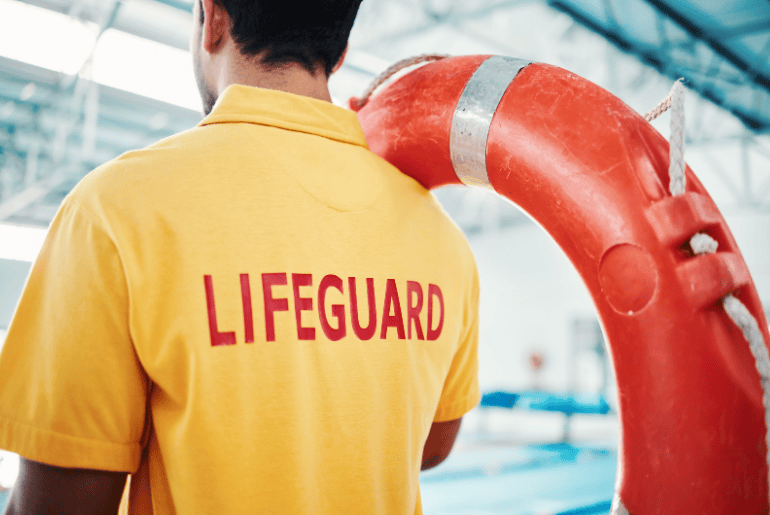
The law also introduces clearer rules for residential buildings, recreational facilities, and public leisure areas. Maintenance and repair work carried out in buildings that are still occupied must now follow strict safety procedures. This applies to situations involving electrical systems or other potentially dangerous equipment. This law also applies to swimming pools and beaches, where operators must implement safety measures to protect swimmers and visitors. Responsibility lies with property owners, facility operators, and service providers, who must comply with all safety standards and regulations issued by the relevant authorities.
Public Responsibilities
Safety is not just the responsibility of authorities and businesses. The new law also outlines expectations for residents and visitors. Members of the public must follow safety guidelines, cooperate with safety supervisors and comply with evacuation procedures during emergencies. For instance, people visiting beaches must respect designated swimming times, stay out of restricted areas meant for staff, and follow instructions when using recreational equipment. Officials stress that community cooperation plays a major role in maintaining safety across the city.
Rule On Hazardous Materials & Dangerous Activities
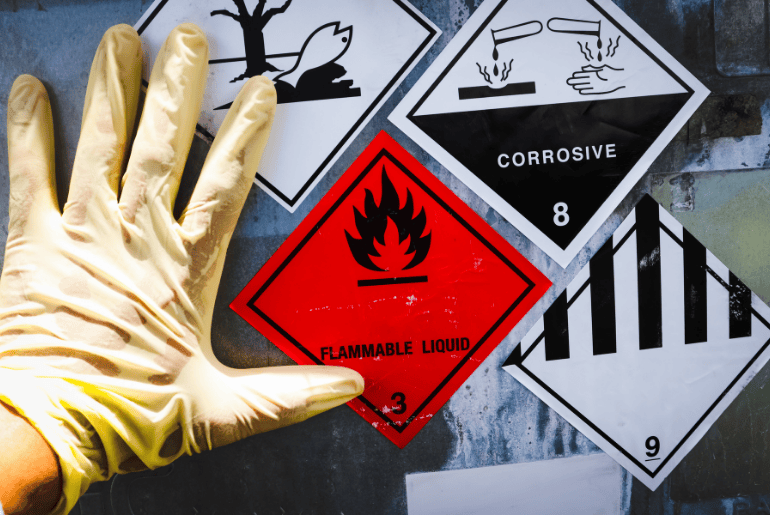
The legislation introduces strict controls on the handling and disposal of hazardous materials. Individuals are not allowed to handle explosives, fireworks, toxic substances, or flammable materials without proper authorisation. Disposing of hazardous substances in regular waste bins is also prohibited. This is done to avoid interference with waste collection vehicles or tampering with infrastructure such as manholes, sewer systems, and stormwater drains. Additionally, the law bans the sale or use of tools, devices, or products that fail to meet safety standards or could pose risks to the public. All products must include clear safety instructions in both Arabic and English.
Violators Can Face Fines Up To AED 1 Million
Violating the law could lead to significant financial penalties. Fines range from AED 500 to AED 1 million, depending on the severity of the violation. If the same offence is repeated within a year, penalties can increase to as much as AED 2 million. Authorised inspectors have the power to document violations, issue reports, and refer serious cases to the police if necessary. Individuals or businesses affected by enforcement decisions can submit a written appeal within 10 working days. A designated committee will review the appeal and issue a final decision within 30 days.
Timeline To Comply & Transition
Businesses and property owners will have up to two years to fully comply with the new safety regulations. In certain cases, a one-time extension may be granted, subject to approval by the relevant authorities. Senior officials also clarified that the law replaces Local Order No. (11) of 2003 on Public Health and Community Safety in Dubai. However, existing rules under the previous order will remain in place temporarily until updated regulations are introduced. Government bodies will not be responsible for damages caused by an owner’s failure to comply with safety requirements, placing full responsibility on property owners and operators.
Dubai’s new public safety law signals a major step toward creating safer public spaces, venues, and communities across the Emirate. With stricter rules, clearer responsibilities, and stronger penalties, the aim is to make everyday life safer for everyone who lives in or visits the city. Stay tuned to Gulf Buzz for more updates.